





Global Health
The Global Health Certificate offers students the breadth of coursework and skills needed to successfully operate in the international public health arena. It builds on our faculty’s extensive history of global health research and service programs.
Developing effective interventions requires public health professionals who are comfortable working in ever-shifting political, social, economic, and health environments. Graduates will have the technical skills and cultural humility to pursue a variety of career opportunities in academia, government, industry, foundations, and non-governmental organizations.
The program’s interdisciplinary focus steeps students in conventional global health priorities such as water and sanitation, nutrition, maternal and child health, and infectious disease, while also addressing emerging priorities including cardiovascular disease, cancer, mental health, injuries, and the effects of climate change on health. Students will be equipped to address health problems that transcend borders due to population megatrends such as globalization and increasing migration.

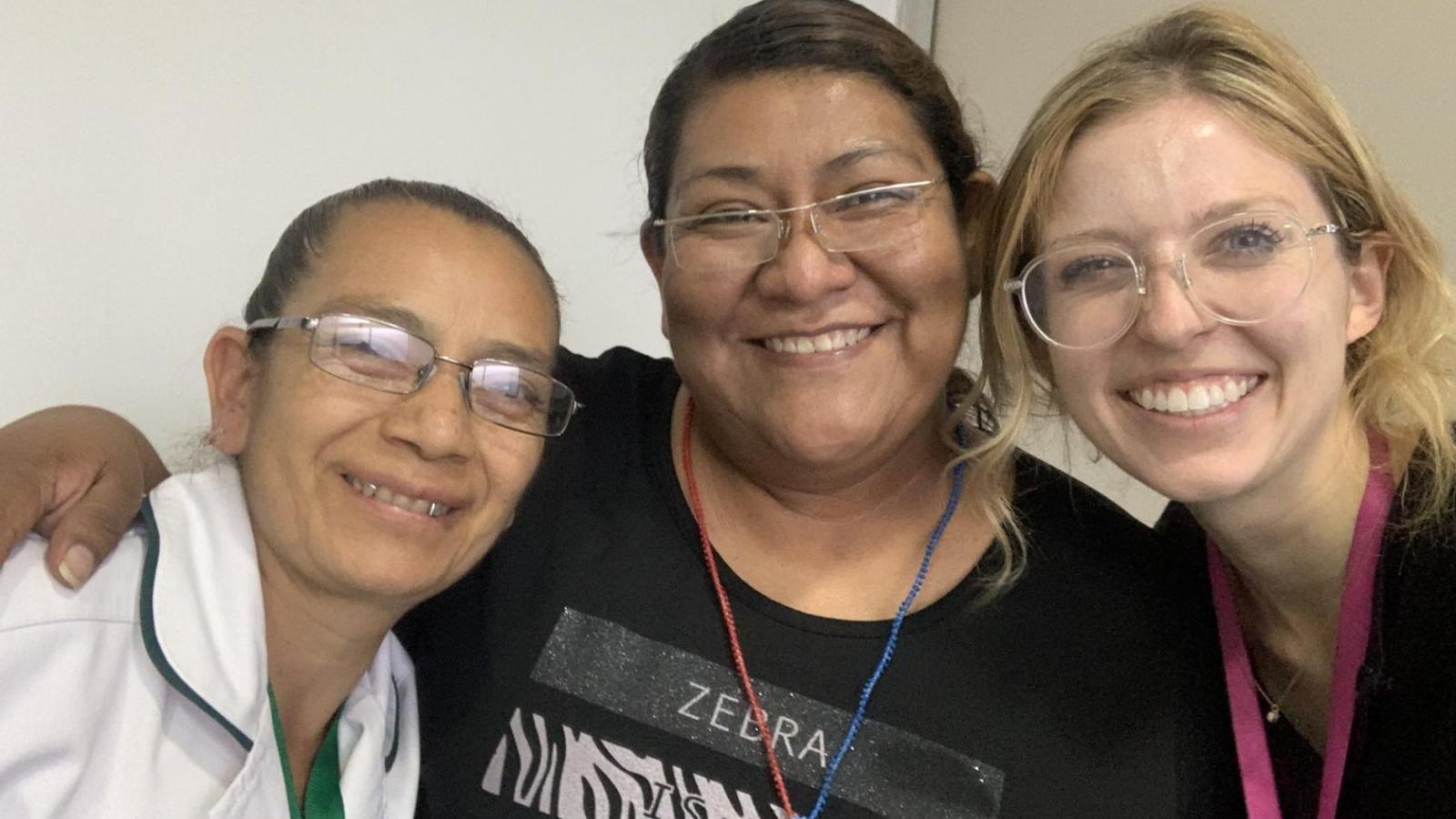
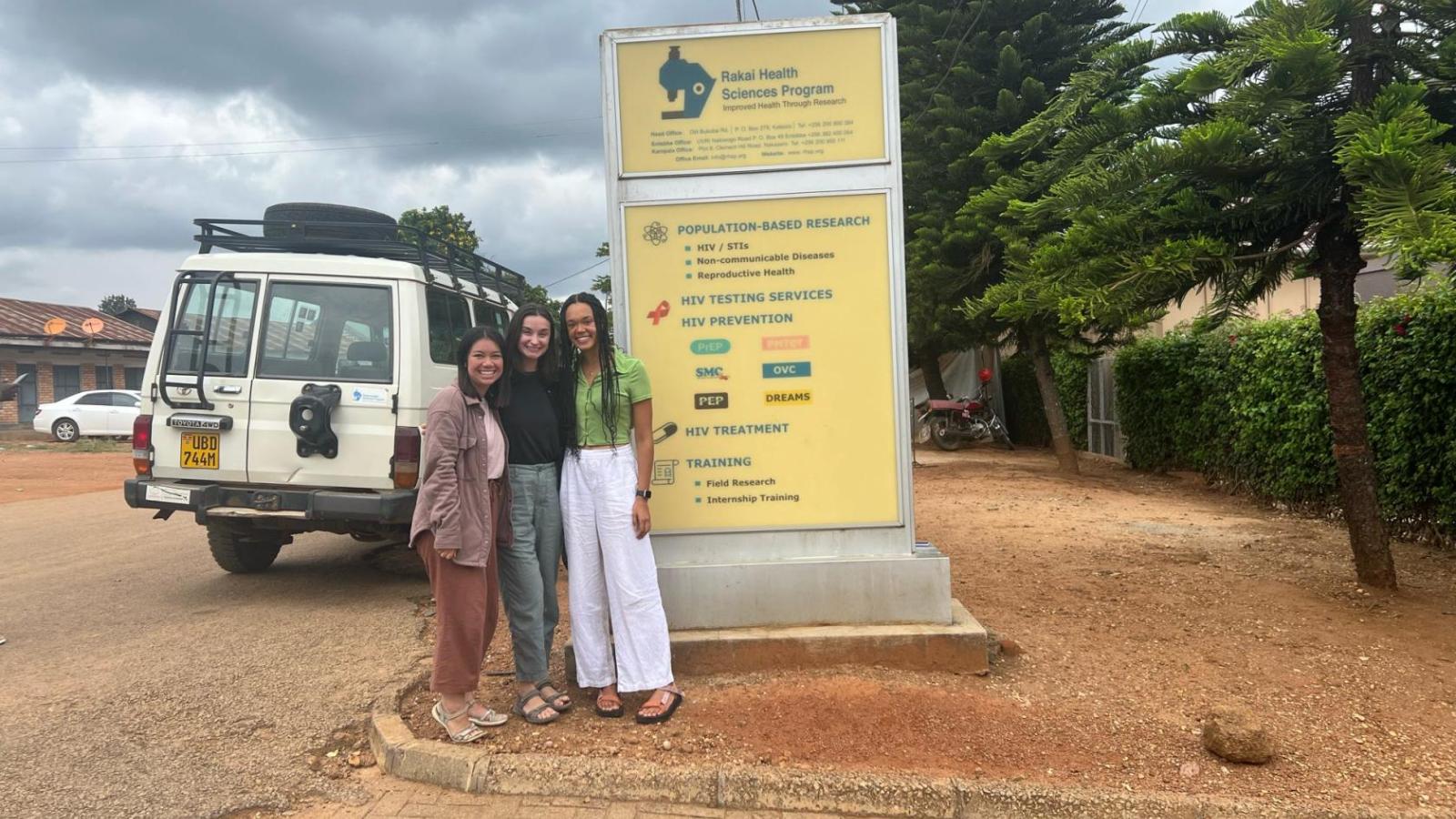
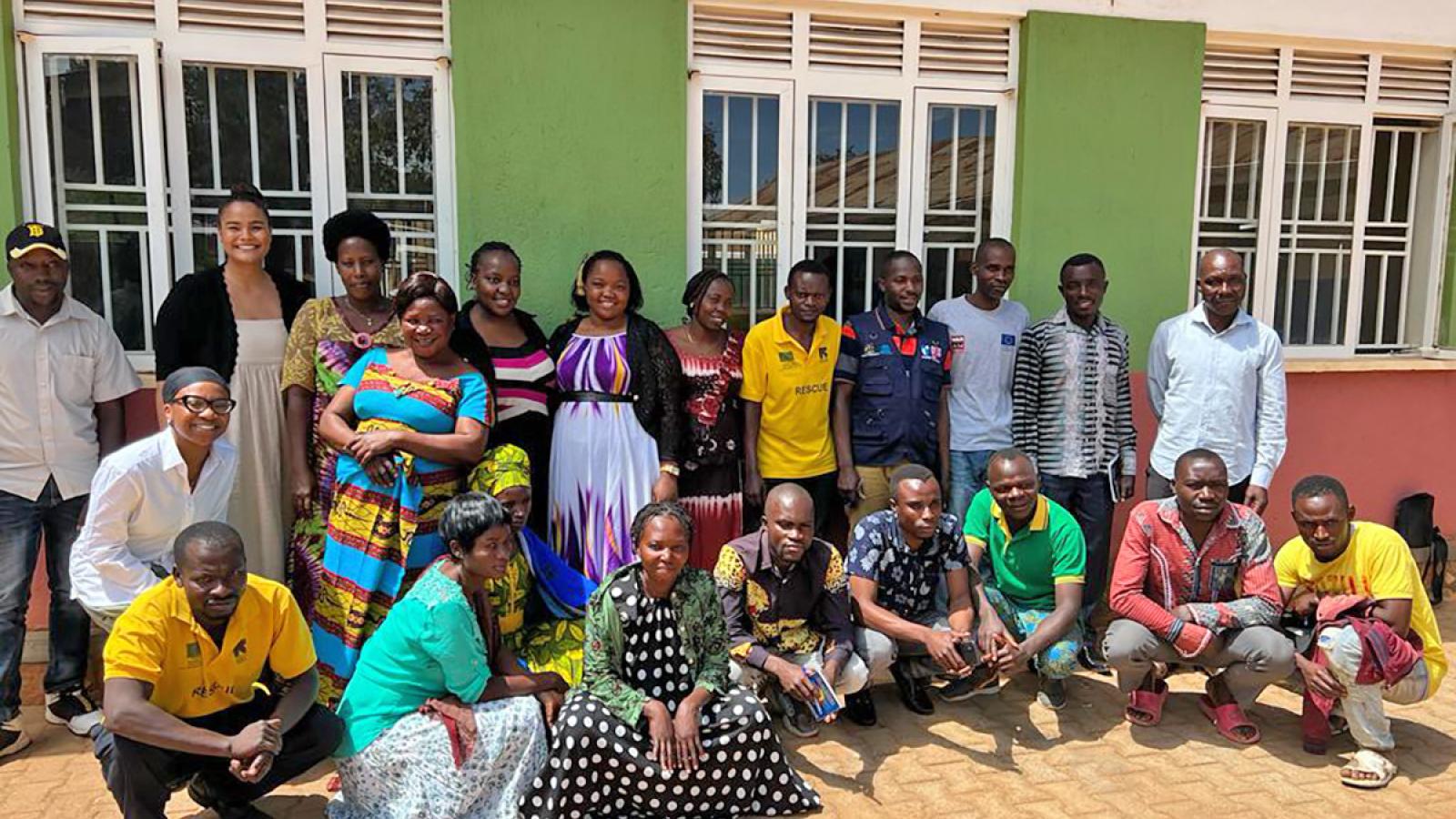
Students in the Global Health Certificate are required to complete their Applied Practice Experience (APEx) in low resource settings, which enables students to apply classroom concepts in real-world global health programs. Students in the certificate can choose to do a 3-month or 6-month APEx, depending on their Department. International students should work closely with ISSO regarding international APEx travel. Global Health Certificate students receive additional resources from Columbia Mailman to cover some expenses while abroad.



Admissions Eligibility
Global Health is open to Columbia MPH students in all 6 academic departments:
- Biostatistics - 3-month APEx option only.
- Environmental Health Sciences - 3-month APEx option only.
- Epidemiology - 3- or 6-month APEx option.
- Health Policy and Management - 3- or 6-month APEx option.
- Population and Family Health - 3- or 6-month APEx option.
- Sociomedical Sciences - 3- or 6-month APEx option.
Foreign language skills are not a requirement for the Global Health Certificate. Speaking a non-English language greatly expands opportunities to work in global health settings, however, so students with foreign language skills may find this certificate particularly rewarding.
The Competencies for this Certificate are as follows:
- Describe the major causes of morbidity and mortality around the world, and why health risks vary across and within countries.
- Analyze the roles, relationships, and resources of global and local institutions active in global health.
- Apply social/ political determinants frameworks to propose viable interventions and strategies that enhance equity in global health practice.
- Compile evidence from multiple sources to advocate effectively with communities, national governments, and global partners.
- Propose strategies for participatory co-creation of effective and sustainable global health interventions.
Learn More
Visit the Certificates Database to learn more about core and credit requirements.
Sample Courses
Priorities in Global Health
This course analyzes leading health challenges in low- and middle-income countries and the global health system intended to help countries address them. Students learn about the causes and impact of these health problems and develop strategies for addressing them in particular settings. They become familiar with the national and international organizations responsible for setting health policies and for funding and implementing health programs. In addition, students learn to analyze the social, economic, and political factors that influence resource allocation and contribute to the rise of some global health priorities and relative neglect of others.
The course focuses on responses to specific health problems in specific settings while analyzing the effects of global trends and international actors. The course draws on the expertise of invited speakers from a broad range of organizations involved in global health, including UN agencies, NGOs, and funders. These speakers are chosen not only for their knowledge but for their experience in setting policy and in designing and managing programs in the field. The first half of the course focuses primarily on conventional disease priorities, the health problems that have been the primary focus of global health institutions and funders, which include water and sanitation, nutrition, maternal and child health, and infectious disease. The course then turns to a range of emerging priorities such as cardiovascular disease, cancer, mental health, injuries, and the effects of climate change on health.
Advanced Techniques in Global Health
Global health has long been shaped by broader national interests and geopolitical forces. Global health practitioners must be able to adapt to an ever-changing landscape. Many in the sector are scrambling to do just that as resource flows and collaborative structures that have been relied upon for decades have been diminished in recent years and calls to redefine global public health reverberate. At its heart, however, are a set of essential practice activities that equip the global health workforce to deliver effective and equitable programs across borders and in challenging settings.
This course builds on students’ foundational global health knowledge and experience with an emphasis on skills and techniques for successful public health practice in global settings. It will address competencies for the advanced certificate in global health as well as those defined in WHO’s 2024 Global Competency and Outcomes Framework for the Essential Public Health Functions. Units in this course are organized around 5 key domains from this framework: collaboration, decision making, community-centeredness, evidence-informed practice and communication. In each unit, students will learn and apply global health frameworks, as well as critical historical and theoretical perspectives in a series of guided readings, interactive lectures, asynchronous learning modules, in-class discussions, individual and group presentations, and case-based practice simulations where students apply graduate level advanced techniques in real-world global health settings.