

Scholars
Faculty Podcasts Bring Public Health to the People
Podcasts have exploded in popularity, with more than a third of Americans listening to eight or more episodes a week. Columbia Mailman faculty members have embraced the medium, covering topics from public health history to surviving extreme heat.
Who the Health Cares? from the School’s Center for Public Health Implementation examines the public health infrastructure in the United States, from its historical roots to the latest controversies. “We aim to provide a window into the world of the local health department, one that leads to greater understanding and greater trust,” explains host Michael S. Sparer, JD, PhD, director of the Center.
That Can’t Be True with Chelsea Clinton is hosted by Chelsea Clinton, DPhil, MPH ’10, Columbia Mailman instructor in Health Policy and Management and Board of Advisors member. The podcast debunks health misinformation (some of which is spread on other podcasts). Episodes have set the record straight on seed oils, raw milk, fluoride, and the safety of Tylenol during pregnancy. Co-produced by the Clinton Foundation and Lemonada Media, it has reached No. 1 in Apple Podcasts’ Health & Fitness section.
The NEXUS Podcast, from the Network for Exposomics in the U.S. (NEXUS), shares information about the rapidly advancing field focused on the totality of environmental exposures and their effect on health. The format is a roundtable discussion among NEXUS leadership, including Gary Miller, PhD, vice dean for Research Strategy and Innovation.
Surviving the Climate, co-hosted by Robbie M. Parks, PhD, assistant professor of Environmental Health Sciences, debuted earlier this year. It explores issues related to heat and climate change with “a focus on practical insights for regular people just trying to make do with what they have,” Parks says. Episodes have covered stay-cool clothing strategies, the flooding in Nepal, and chronic diseases that put people at increased risk from heat exposure.
One of the School’s podcasting pioneers, Ami Zota, ScD, professor of Environmental Health Sciences, continues to lead the program she created at Columbia Mailman in 2019, Agents of Change in Environmental Justice. The leadership training program for early-career environmental health scientists from systematically marginalized backgrounds has released more than 100 podcast episodes to date.
PopTalks is a global health podcast hosted by Thoại D. Ngô, PhD, MHS, chair of Population and Family Health. In each episode, Ngô sits down with leading scientists, policymakers, innovators, and community leaders to examine the forces transforming population health and human well-being—from climate change and AI to demographic shifts, gender equity, global conflict, and more.
Strengthening the Commitment to Service Learning
Hands-on public health work has been a cornerstone of the Columbia Mailman education For generations. During the summer between their first and second years, master’s students apply their classroom learning to real-world public health challenges, working with one of approximately 300 organizations worldwide during their Applied Practicum Experience (APEx).
Now, the School is introducing new service-learning opportunities as part of select courses during the academic year. Two courses in the Heilbrunn Department of Population and Family Health now provide students with a chance to work alongside staff at New York City–based organizations. And the School’s Office of Education, with support from the Charina Endowment Fund, is helping additional faculty schoolwide develop their own service-learning offerings.
A recent survey of Columbia Mailman School students found strong support for service learning. Nearly 70 percent of first-year students said service learning was an important or very important part of their graduate school education, with motivating factors including professional development, opportunities to transition to full-time employment, and engagement with the local community.
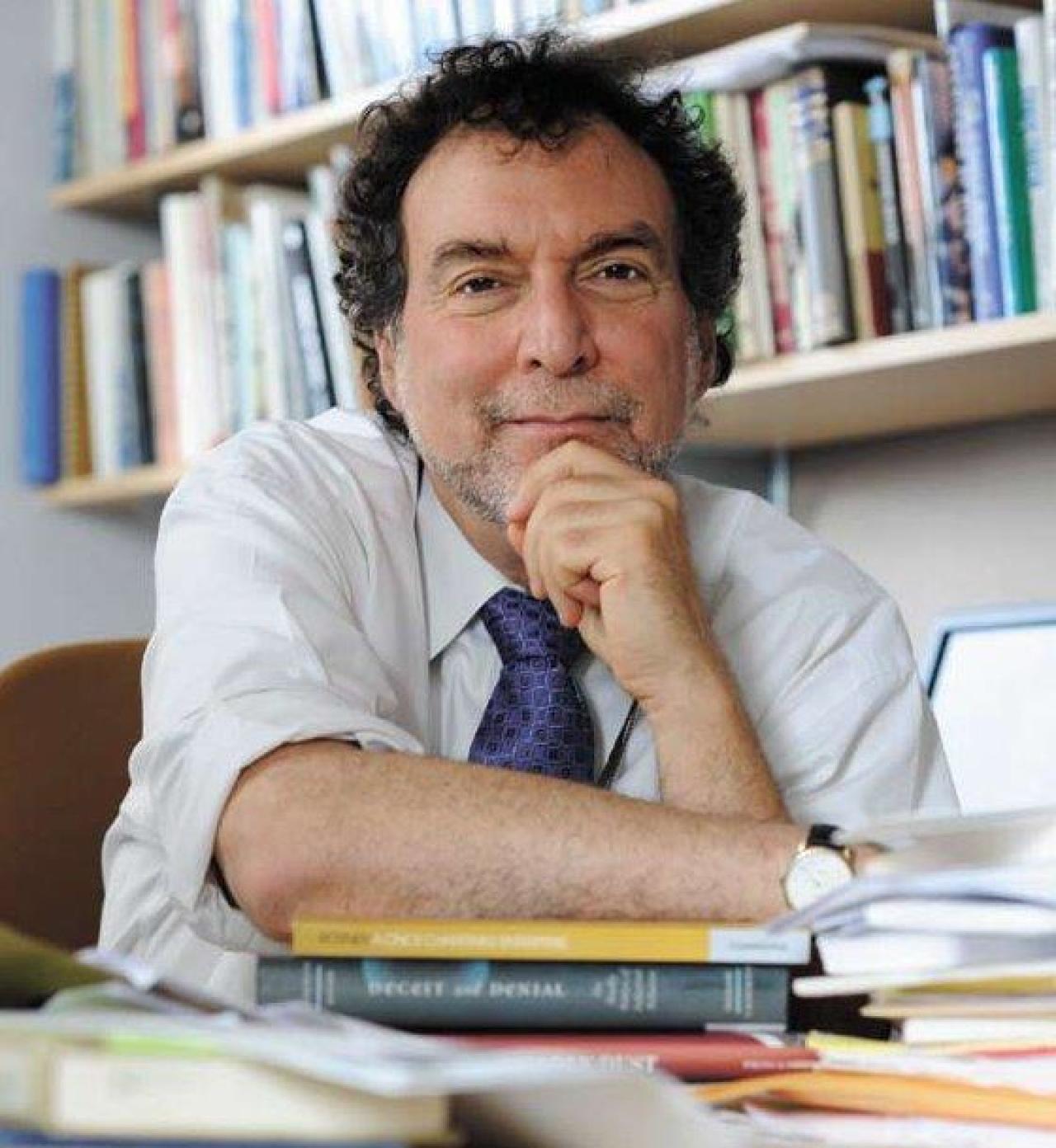
The School Mourns the Passing of David Rosner, PhD
A renowned scholar, mentor, and social justice advocate, David Rosner, PhD, was a professor emeritus of Sociomedical Sciences and History. In his long career, he made profound contributions to the Department of Sociomedical Sciences, the Columbia Mailman School of Public Health, and Columbia University. Rosner dedicated his career to uncovering the human impact of environmental and occupational harms and advancing health equity through research, teaching, and public engagement. He envisioned and built an expansive graduate program that has trained generations of students to examine public health through its historical, political, social, economic, and ethical dimensions.
In 2018, he co-founded Toxic Docs, a public repository of discovery documents related to lawsuits about toxic exposures. His legacy lives on through the generations of students he mentored, the communities he fought for, and the lasting contributions he made to public health and history.
New Books by Faculty

Bigger Faster Stronger Hairier: A Book for Boys
(Grow and Know)
Bigger Faster Stronger Hairier: A Book for Boys, co-authored by Professor of Sociomedical Sciences Marni Sommer, DrPH ’08, MSN, RN, is a guide to puberty for boys ages 9 to 14. The book incorporates authentic stories from boys as it addresses puberty myths and offers practical advice on personal hygiene, body image issues, and more. Learn more about this and other puberty books by Sommer.
SocialsVoice
SocialsVoice, an e-book project led by Melissa DuPont-Reyes, PhD ’17, assistant professor of Epidemiology and Sociomedical Sciences, shines a light on the relationship between social media content and mental health. It summarizes findings from a study of Latino youth, a group that engages with social media across multiple languages and cultural perspectives. Download a free copy at https://bit.ly/SocialsVoiceBook.

Student Takes First Place in Hackathon
Columbia Mailman student Riya Kalra, MS ’26, took first place in the 2025 NVIDIA AI Summit Hackathon in New York City, beating a talented field of engineers and computer scientists. Created over a day and a half using one of NVIDIA’s most advanced chips, her winning app, RxGuardian, was designed to help people stay on track with their medications and avoid dangerous interactions.
This article was first published in the 2026-2027 issue of Columbia Public Health Magazine.