
Alumni
Last updated: June 9, 2026
Doctoral Students
Postdocs
Doctoral students

Daniel Carrion, PhD'19
Current: Assistant Professor of Epidemiology (Environmental Health), Yale School of Public Health
Postdoctoral Fellow, Environmental Medicine & Public Health, Mount Sinai
Daniel Carrión completed his PhD in Environmental Health Sciences in the Climate and Health Program in July 2019. His doctoral thesis examined the impact of household air pollution on upper respiratory microbial carriage of infants, as well the socioecological determinants of biomass combustion amongst families in rural Ghana. He is now a Postdoctoral Fellow in the Department of Environmental Medicine and Public Health at the Icahn School of Medicine at Mount Sinai. In his current role, he is working in Dr. Allan Just’s research group to refine large-scale exposure models of temperature and air pollution using remotely sensed data, and conducting epidemiological analyses with those exposure datasets. He received a BA from Ithaca College and an MPH from New York Medical College.

Kai Chen
Current: Associate Professor of Epidemiology (Environmental Health Sciences), Yale School of Public Health
Assistant Professor of Epidemiology, Department of Environmental Health Sciences, Yale School of Public Health
Kai received his PhD in Environmental Science and Engineering in 2016 from Nanjing University in China. During 2014-2015, he served as a Visiting Scholar at the Columbia University Mailman School of Public Health under Dr. Patrick Kinney. He was an Alexander von Humboldt Postdoc Fellow at Helmholtz Zentrum München-German Center for Environmental Health. Kai's research focuses on the intersection of climate change, air pollution, and human health. His work involves applying multidisciplinary approaches in climate and air pollution sciences, exposure assessment, and environmental epidemiology to investigate how climate change may impact human health.

Misbath Daouda, PhD'23
Current: Assistant Professor of Environmental Health Sciences, University of California Berkeley
Misbath completed her PhD in Environmental Health Sciences in the Climate and Health Program in 2023. Her thesis, titled “Powering Equity: Characterizing the Impacts of Energy Transitions on Environmental and Health Disparities in the US and Ghana,” sought to evaluate the distribution of benefits from energy transitions in the US and in Ghana and identify and characterize health outcomes that are relevant to these transitions but are currently understudied. Her research goals are to generate community-driven evidence that can support the centering of equity in energy policy and initiatives to achieve just transitions by using environmental epidemiology, exposure modeling, and qualitative methods.

Vivian Do, PhD'25
Vivian completed her PhD in Environmental Health Sciences in 2025. Her dissertation focused on 'Shedding light on power outages as a climate change-related and health-relevant exposure,' which examined the effects of power outages on cardiovascular outcomes in New York State. Previously, she researched air pollution methods on a Fulbright at Hong Kong University and conducted program evaluations at the New York City Department of Health and Mental Hygiene.

Nina Flores, PhD'2025
Current: Postdoctoral research fellow, University of Texas Austin School of Social Work
Nina received her PhD in Environmental Health Sciences from Columbia University’s Mailman School of Public Health. There she focused on the intersection of environmental justice, health disparities, and climate change. Her dissertation, “Mold in a Changing Climate— Implications for Fungal Exposures and Asthma Morbidity in New York City Public Housing,” examined the impact of the New York City Housing Authority’s 2019 mold intervention (Mold Busters) on asthma-related emergency department visits and explored climate change–related threats to the intervention’s progress. She received her BS in Computational Biology at the University of Texas at Austin and is excited to be back for postdoctoral work. Nina is now a postdoctoral fellow in the Promoting Equity in Cardiovascular and Respiratory Health training program, jointly based in the UT Austin School of Social Work and Dell Medical School. She is currently studying ambient heat and its effects on perinatal health outcomes.

Carlos Gould, PhD'21
Current: Assistant Professor, Herbert Wertheim School of Public Health & Human Longevity Science, University of California San Diego
Postdoctoral Research Fellow, Stanford Earth
Carlos Gould completed his PhD in Environmental Health Sciences in the Climate and Health Program in July 2021. His thesis, titled “As the smoke clears: assessing the air pollution and health benefits of a nationwide transition to clean cooking fuels in Ecuador,” studies the impact of Ecuador’s nationwide transition from biomass to gas cooking, facilitated by long-standing subsidies, on air pollution exposure and children’s health. Weaving together tailored energy access surveys, state-of-the-science sensors, and administrative data, he shows that despite cheap and accessible cooking gas, a large portion of Ecuadorian households still use biomass for some of their daily cooking and heating needs, leading to air pollution exposure above health-based guidelines. Nonetheless, Carlos’s research shows that Ecuador’s investments in cooking gas subsidies over the last three decades have facilitated reductions in lower respiratory infection mortality among children under 5 years. Throughout his time at Columbia, Carlos built a research agenda focused on the potential for household energy transitions to address climate change and improve health by reducing air pollution exposure. In particular, he studied the adoption and use of cooking gas in India and evaluated the impacts of clean cooking interventions on air pollution exposure and health in Ghana. Carlos is now a Stanford Earth Postdoctoral Fellow where he investigates (1) the impacts of India’s ongoing clean cooking transition on air quality, health, and climate and (2) the health and climate benefits of clean-to-cleaner fuel transitions (e.g., from gas to renewable-based electricity).

Mike He, PhD'20
Current: Instructor at Icahn School of Medicine at Mount Sinai
Postdoctoral Fellow, Icahn School of Medicine at Mount Sinai
Mike He completed his PhD in Environmental Health Sciences in the Climate and Health Program in July 2020. His doctoral thesis titled “Air Pollution and Adverse Health Effects: Assessing Exposure Windows and Sensitivity to Modeling Choices”, investigated the availability of air pollution monitors in China, the intermediate-term effects of air pollution on mortality, the sensitivity of epidemiologic estimates to the choice of exposure models, and the health impacts of climate change on air pollution. In addition, Mike has had productive collaborations both within Columbia with the Children’s Center for Environmental Health and the Lamont-Doherty Earth Observatory, as well as with outside of Columbia with colleagues at the Chinese Center for Disease Control and Prevention and Tsinghua University. Projects include evaluating the impact of the Clean Heat Program on air pollution levels in New York City, exploring the climate change impacts on air quality under potential future scenarios, as well as numerous air pollution epidemiologic studies in China.
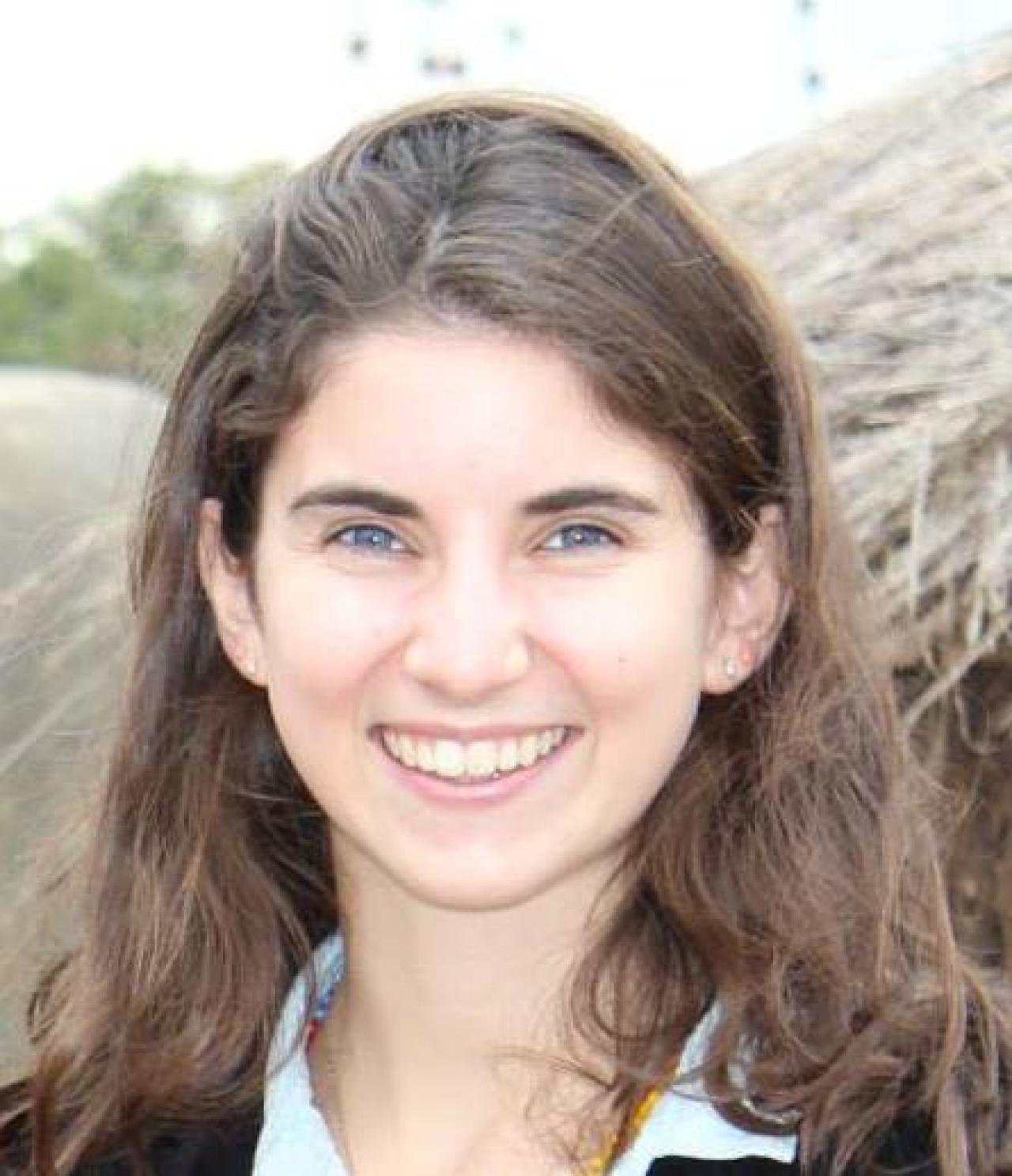
Alex Heaney, PhD'19
Current: Assistant Professor, Herbert Wertheim School of Public Health and Human Longevity Sciences, University of California San Diego
Postdoctoral research fellow, UC Berkeley
Alex Heaney completed her PhD in the Climate and Health track of the Department of Environmental Health Sciences at the Mailman School of Public Health in April 2019. For her dissertation, entitled ‘Predicting under-5 diarrhea outbreaks in Botswana: Understanding the relationships between environmental variability and diarrhea transmission,’ she developed a forecasting system for diarrhea in the Chobe region of Botswana. In addition, she has submitted a paper focusing on the effects of temperature and climate change on bikeshare usage in New York City. Lastly she worked on a project exploring the relationship between wildfire emissions and respiratory and cardiovascular health in California. Alex recently began postdoctoral training at UC Berkeley School of Public Health.

Sarah Kramer, PhD'20
Postdoc research scientist, Max Planck Institute for Infection Biology, Berlin, Germany
Sarah Kramer completed her PhD in Environmental Health Sciences in the Climate and Health Program in July 2020. For her thesis, entitled "Forecasting influenza in Europe and globally: the role of absolute humidity and human travel, and the potential for use in public health decision making," she first developed and assessed influenza forecasting systems for 64 countries, including 18 with tropical or subtropical climates. She then explored the utility of accounting for human travel, including air travel and commmuting, when generating forecasts in Europe. She also generated real-time forecasts of influenza for 37 countries over the course of 3 influenza seasons, and published these forecasts online. Finally, she assessed familiarity with and use of models and forecasts among public health practitioners in the United States. Sarah also had the opportunity to share her real-time forecasting results with representatives from the WHO and other modelers around the world through regular conference calls, and was invited to give a talk at the WHO's headquarters in Geneva. Additionally, prior to the COVID-19 pandemic, she helped to analyze coronavirus diversity among bats in Latin America, Africa, and Asia.

Wil Lieberman-Cribbin, PhD'24
Current: Assistant Professor in Occupational Medicine, Epidemiology and Prevention, Donald and Barbara Zucker School of Medicine at Hofstra/Northwell
Wil received his PhD in Environmental Health Sciences in 2024. His dissertation is titled 'Metal exposure estimates in established biomarkers, epigenetic biomarkers, and associations with cardiovascular outcomes in the Strong Heart Study'. His work advances environmental monitoring and biological monitoring of lead, uranium, and selenium exposures using both established biomarkers and novel epigenetic biomarkers to determine the associations of metals with cardiovascular disease, leveraging the Strong Heart Study (SHS), a prospective cohort of cardiovascular disease and its risk factors among American Indian adults from tribes and communities in Arizona, Oklahoma, North Dakota, and South Dakota

Stephen Lewandowski, PhD'22
Current: Senior Environmental Health Program Manager (Force Health Protection Officer), 65th Medical Brigade
Assistant Professor, Uniformed Services University
Stephen Lewandowski completed his PhD in Environmental Health Sciences in the Climate and Health Program in July 2022. His thesis examined the impact of environmental parameters on heat illness outcomes over different timescales and assessed heat stress risk factors in a military population. He serves as a US Army Medical Service Corps officer and teaches in the Department of Preventive Medicine and Biostatistics at the Uniformed Services University of the Health Sciences with a focus on exposure science and environmental health risk assessment.

Maggie Li, PhD'24
Current: Air Pollution Specialist, California Air Resources Board
Epidemiologist, US Environmental Protection Agency
Maggie earned my PhD in Environmental Health Sciences at Columbia University, advised by Drs. Marianthi Kioumourtzoglou and Ana Navas-Acien. Her dissertation on 'Particulate Air Pollution and Effects on Cardiovascular Health in American Indian Communities' evaluated PM2.5 levels and associated burdens on cardiovascular health outcomes in American Indian populations. Broadly, her research has focused on applying geospatial methods to assess community health impacts of air pollution. She have extensive experience linking environmental exposure and health datasets and conducting statistical modeling, spatial analysis using GIS, and literature review. As an Air Pollution Specialist at the California Air Resources Board, she is supporting development and implementation of the Low Carbon Fuel Standard.

Ruiyun Li
Current: Professor, Nanjin Medical University
Postdoc, Imperial College London
Ruiyun Li was a China Scholarship Council Doctoral Candidate at Columbia in 2015-2016. She completed her PhD at Beijing Normal University, pursuing interdisciplinary work studying biogeography and the environmental determinants of infectious disease transmission. She completed her doctoral program of the Department of Global Change and Earth System Science at Beijing Normal University. Her project was an interdisciplinary work studying biogeography and the environmental determinants of infectious disease transmission. She completed her postdoc at Imperial College London, where she evaluated the additional impact of new strategies and diagnostic tools on transmission and local elimination of malaria.

Eliza Little, PhD'17
Current: Epidemiologist, Connecticut Department of Public Health
Postdoctoral research scientist, Center for Vector Biology & Zoonotic Diseases at the Connecticut Agricultural Experiment Station
Eliza Little completed her PhD in the Climate and Health Program in May 20127. She holds a Bachelors in Wildlife Biology from McGill and Masters in Ecology and Public Health through a joint masters program at Yale. At Columbia she studied the climatological and socio-ecological drivers of mosquito abundance and mosquito-borne disease risk.

Victoria Lynch, PhD'22
Current: Postdoctoral Research Scientist, Department of Environmental Health Sciences, Mailman School of Public Health
Tory Lynch completed her PhD in Environmental Health Sciences in the Climate and Health Program in August 2022. Her thesis, “Quantifying the effect of extreme and seasonal floods on waterborne disease in the US,” examined the association between flooding and 10 waterborne pathogens with a particular focus on Legionnaires' disease. A primary component of this work was to characterize the different flood types that occur throughout the US (e.g. floods related to cyclonic storms, river floods, flash floods, etc.) by using a range of meteorological variables to define flooding. Her work found that hospitalizations for specific pathogens were positively associated with distinct flood-indicator variables. She also studied the effect of tropical cyclonic storms on cases of waterborne diseases in the Eastern US.

Elisaveta Petkova, DrPH‘14
Current: Lecturer in the Discipline of Earth and Environmental Sciences, Columbia University
Columbia Science Fellow, Columbia University
Dr. Petkova joined the research team of the National Center for Disaster Preparedness (NCDP) at the Earth Institute. She worked on projects related to environmental health policy, public health preparedness and response to natural disasters, radiological safety and the human health impacts of climate change. Prior to joining NCDP, she spent four years at the Columbia Climate and Health Program with Dr. Patrick Kinney where she carried out multidisciplinary research on the population health impacts of air pollution and temperature extremes. Dr. Petkova has also served as a consultant on a variety of initiatives related to environmental health risk assessment, communication and management.

Ashlinn Quinn, PhD'16
Current: Program Officer, National Institute of Environmental Health Sciences
Health Scientist, Fogarty International Center, National Institutes of Health
Ashlinn Quinn completed her PhD in the Climate and Health track of the Department of Environmental Health Sciences at the Mailman School of Public Health in May 2016. Ashlinn holds a BA with dual majors in Psychology and Music at UC Berkeley and an MA in Anthropology at the University of Chicago. She studied the health impacts of climate change adaptation strategies, indoor environmental conditions, and the health effects of indoor cookstoves.

Sebastian Rowland, PhD'22
Current: Scientist, PSE Health Energy
Sebastian Rowland completed his PhD in May 2022. His thesis, titled, “The Twin Crises of Climate Change and Air Pollution: Characterizing the Acute Cardiovascular Effects of Temperature and Uncertainties of Fine Particulate Matter Concentrations” examines the health effects of short-term temperature exposure and models fine particulate matter concentrations. His studies demonstrate that increases in hour temperature and daily temperature variability increase the risk of heart attacks and ischemic strokes. He also constructed a nationwide, uncertainty-aware model of annual fine particulate concentrations that leveraged the unique strengths of already-developed models, and examined the distribution of predictive uncertainty to inform future monitoring efforts.

Israel Ukawuba, PhD'21
Current: Postdoctoral Scientific Collaborator, Swiss TPH
Florence Levy Kay Postdoctoral Fellow
Brandeis University
Israel Ukawuba completed his PhD in Environmental Health Sciences in the Climate and Health Program in July 2021. His thesis work, "Use of climate in a simple entomological framework to improve dynamic simulation and forecast of malaria transmission" developed a parsimonious, dynamical model for malaria transmission, with direct climate modulation of the ecology of the malaria parasite and vector. He identified important ecological pathways by which climate drives local transmission and used this climate-based model to explain malaria variability over several seasons across local communities in sub-Saharan Africa. He also developed a novel dynamical forecasting system for malaria incidence based on the climate-driven model and a highly promising forecasting framework. With this system, he generated real-time forecast of malaria incidence for 42 communities and 5 regions in a malaria endemic country. Israel is now a postdoc at the Heller School, Brandeis University, where he will be teaching and researching infectious disease epidemiology.

Kate Weinberger, PhD’15
Current: Program Analyst, National Environmental Health Association
Assistant Professor, University of British Columbia
Kate Weinberger is the first PhD graduate of the Climate and Health Program. During her five years in the program, Kate participated in interdisciplinary collaborations with researchers at the NYC Department of Health and Mental Hygiene, Fordham University, the Mount Sinai School of Medicine, and the MSPH Department of Epidemiology. Her dissertation characterizes both the temporal and the spatial distribution of tree pollen in New York City andexamines how these distributions are linked to allergic disease outcomes, including the development of allergic sensitization and the exacerbation of allergic asthma. Her work highlights the importance of understanding these relationships as massive urban tree planting programs progress, and as the length and severity of the pollen season change in response to increased temperatures and carbon dioxide concentrations. As a postdoc at Brown, she examined vulnerability to extreme temperatures and storms in New England.
Postdocs

Ruthie Birger
Current: Principal Scientist, Merck
Postdoctoral Associate, Yale School of Public Health
Ruthie is a postdoctoral associate at Yale School of Public Health in the Pitzer Lab and holds an adjunct postdoctoral position at Columbia in the Shaman Lab. During her time as an Earth Institute Postdoctoral Fellow in the Shaman Lab, she worked on several projects, including an analyses on the prevalence of asymptomatic infection in ambulatory populations as part of the Virome of Manhattan study, a modeling analysis of within-host HIV dynamics among neonates, and several other infectious disease modeling efforts. In her current post, she is continuing her involvement on several projects related to the Virome of Manhattan study while beginning work at Yale on modeling strategies their cost-effectiveness for the new Typhoid conjugate vaccine.

Katrin Burkart
Current: Assistant Professor, Institute for Health Metrics and Evaluation at University of Washington
Katrin Burkart received her doctorate from the Humboldt University in Berlin, Germany. Her major research interests focus on the effects of weather and climate on human health. She is particularly interested in how these effects are modified by different atmospheric and non-atmospheric influences. At Columbia, her research aimed at projecting future heat-related mortality in Bangladesh under different climate change scenarios, considering trends such as population aging, urbanization and epidemiological transition. At IHME, she is conducting research on environmental risks and methods to include exposure to suboptimal temperature into the Global Burden of Disease.

Zach Burt
T32 Postdoc Fellow 2016-19
Current: Senior Environmental Scientist Specialist, California Department of Water Resources
Senior Economist, Athena Infonomics
Zachary Burt earned his PhD at the Energy and Resources Group at the University of California, Berkeley in 2015. At Columbia Zachary worked on five research projects: (1) in Rwanda, in collaboration with Pivot Works Ltd, he designed and implemented a willingness-to-pay study for improved fecal sludge collection services (2) in Morocco, in collaboration with Harvard University, he designed and implemented a project aiming to encourage conservation of water resources by creating a ‘water savings credit’ (WSC) program (3) in India, during a 9-month Fulbright Fellowship, he collected ward level health data, in order to build a model of health risk due to flooding across the socio-economic spectrum (4) in India, he developed a tool for tracking equity in sanitation systems. Zach joined Athena Infonomics as a Senior Economist, working on projects in water and sanitation, incorporating aspects of gender, social inequity, climate impacts and affordability.

Katherine Crocker
T32 Postdoc Fellow 2018-20
Current: Associate Professor, University of Puget Sound
Postdoctoral Research Fellow, Albert Einstein College of Medicine
Katherine Crocker earned her PhD in Ecology and Evolutionary Biology at the University of Michigan. There, she developed crickets as a model system to research the mechanisms and consequences of inherited nongenetic effects, particularly those resulting from dietary stress and social conditions. As a fellow in the Climate and Health Program, she worked to identify effects of food insecurity and parental stress on the descendants of the stressed individuals. Katherine’s work combines computational epigenetics (using human-generated data) with laboratory studies on vertebrate and invertebrate species. The central goal of her work was to identify environmental risk factors that can have disproportionately negative future effects, which in turn can be used to inform public health policy and approaches.

Nicholas DeFelice
Current: Associate Professor of Environmental Medicine, Associate Professor of Global Health and Health Systems Design, Icahn School of Medicine at Mount Sinai
Assistant Professor, Icahn School of Medicine at Mount Sinai
Nicholas DeFelice completed his doctorate in environmental science and engineering at the University of North Carolina-Chapel Hill Gillings School of Global Public Health. His dissertation research examined the intersection of infrastructure, environmental exposures, and public health by constructing mathematical models to quantify the burden of disease attributable to exposure to contaminated drinking water in North Carolina. Through these models, he explored how changes in public policies affect the probability of harm from contamination. At Columbia, his work focus is the development of dynamic disease transmission models in conjunction with data assimilation methods to generate ensemble-based predictions of West Nile virus and other vector-borne infectious diseases.

Chuanxi Fu
Current: Manager, Guangzhou CDC
Chuanxi Fu was a visiting post-doctoral research fellow at Columbia from 2015-16. He studied herd protection from rotavirus vaccination in low coverage areas. Other research topics of interest include research into the rates at which maternal antibodies (hand-foot-mouth disease, measles, polio and meningitis) in infants wane.

Marta Galanti, PhD
Postdoctoral research scientist 2016-2020
Current: Associate Research Scientist, Columbia Climate School
Marta Galanti completed her PhD research in Complex Systems and Mathematical Physics in a shared program between University of Florence (Italy) and University of Orléans (France). Her previous research focused on the analysis of diffusion-reaction processes in biological and industrial media in non-ideal conditions (complex geometries and crowded environments). At Columbia, she worked on developing mathematical models to generate predictions and advance the understanding and forecast of infections. One of the goals of her research was to study respiratory virus transmission with the aim of incorporating antigenic information of rapidly evolving viruses into real-time forecasts of influenza.

Melissa Gervais
Postdoctoral research scientist 2015-17
Current: Associate Professor of Meteorology and Atmospheric Science, Pennsylvania State University
Assistant Professor of Meteorology and Atmospheric Science, Pennsylvania State University
Melissa completed her PhD at McGill University in the Department of Atmospheric and Oceanic Sciences. At Columbia, Melissa conducted global climate model experiments to investigate the dynamical mechanisms by which changes in North Atlantic sea surface temperatures may impact European winter weather.

Annelise Gill-Wiehl
Postdoctoral Fellow 2024-2026
Current: Assistant Professor Civil and Environmental Engineering, Notre Dame University
Her research examines household energy access in low- and middle-income countries through an interdisciplinary lens, integrating impact evaluation, biostatistics, ethnography, epidemiology, and development economics. Across all projects, she center sissues of gender, equity, and environmental justice. Her dissertation focused on a stepped-wedge randomized controlled trial assessing the impact of micro-savings interventions on clean cooking fuel consumption in Tanzania. She also studied alternative clean cooking pathways, decentralized electrification strategies in East Africa, and the integrity of carbon offsets as a mechanism to scale clean cooking. Previously, she conducted research in rural Tanzania for nine years, including three years living in-country. In 2019, she graduated as salutatorian from the University of Notre Dame, where I majored in Environmental Engineering and International Development Studies. Through the Kellogg Institute, she carried out four summers of fieldwork in East Africa, launching a pilot program in Shirati, Tanzania that trained Community Technology Workers to help households shift from firewood and charcoal to gas stoves.

Roselyn Kaondera-Shava, PhD
Postdoctoral research scientist 2022-2025
Current: Research Associate, University of Bath
Roselyn Kaondera-Shava received her PhD in Mathematics from Botswana International University of Science & Technology. Her area of expertise is applied mathematics, with specific focus on Mathematical Epidemiology. Her doctorate was dedicated to the development and analysis of mathematical models for infectious diseases (such as Ebola virus disease and AIDS-associated Kaposi’s sarcoma) caused by viral infections, with a particular interest in gaining more insight into disease dynamics and outbreaks, leading to the control of disease spread. At Columbia University, Roselyn worked on investigating nonlinear error growth in infectious disease systems and developing model-inference frameworks for simulation of infectious agents, inference of critical epidemiological characteristics, counterfactual simulations, and projections and forecasting.

Maryam Karimi
T32 Postdoc Fellow 2016-18
Current: Director of Research, Associate Professor, University of Memphis
Assistant Professor , Department of Environmental Health Sciences, University of Alabama School of Public Health
Maryam completed her PhD at the Graduate Center of City University of New York in the Department of Earth and Environmental Science. Her research is focused on identifying environmental risk and social vulnerability associated with the impact of air pollution caused by urban development and transportation. She has developed and deployed a suite of novel approaches for measuring and mapping the spatial and temporal heterogeneity of meteorological conditions and impact of air pollution in the urban environment.

Victoria Lee, PhD
Earth Institute Postdoc Fellow 2014-17
Current: Lecturer in Architecture and Environment, University of Edinburgh
Teaching Associate in Architecture, University of Cambridge
Victoria Lee received her PhD in Architecture from the University of Cambridge. Her dissertation focused on exploring new ways to assess and predict the indoor thermal environment, with a particular interest in health implications. Her research at Columbia examined the association between building types, environmental conditions and sleep quality.

Ying Li, PhD
Earth Institute Postdoc Fellow 2011-14
Current: Associate Professor, College of Public Health, East Tennessee State University
Assistant Professor (tenure track), Department of Environmental Health, College of Public Health, East Tennessee State University
Dr. Li collaborated with Dr. Patrick Kinney on two projects at Columbia University: 1) assessing the health impacts of PM2.5 air quality regulation in the US, and 2) assessing the co-benefits of greenhouse gas reduction in the transportation section in Beijing, China. She recently joined the Department of Environmental Health Sciences at East Tennessee State University as an Assistant Professor. She will be teaching Human Ecology in Fall 2014 and Environmental Analysis in Spring 2015. Her future research will continue to focus on health impact assessment for ambient air pollution.

Jaime Madrigano
Earth Institute Postdoc Fellow 2011-13
Current: Associate Professor, Johns Hopkins Bloomberg School of Public Health
Full Policy Researcher, RAND Corporation
Dr. Jaime Madrigano’s research focuses on vulnerability to environmental exposures, with a specific focus on air pollution and weather. As an Earth Institute postdoctoral research fellow, Dr. Madrigano collaborated with Dr. Patrick Kinney. She investigated the relationship between air pollutants, temperature, and mortality, with a particular focus on investigating the role of neighborhood social and environmental characteristics in heat wave-related mortality. She also conducted an interdisciplinary study on risk perception and decision-making in climate change and public health in collaboration with researchers at the Center for Research on Environmental Decisions at Columbia University. Dr. Madrigano continues her work as an assistant professor at the School of Public Health at Rutgers, The State University of New Jersey.

Jennifer Nguyen
T32 Postdoc Fellow 2014-16
Director of Health Outcomes
Kantar Health
Jennifer received her ScD in Environmental Health and Epidemiology at the Harvard T.H. Chan School of Public Health, where she studied the correlation between indoor and outdoor temperature and humidity exposure, and weather as a trigger of arrhythmias. At Columbia, Jennifer expanded on her research to consider influenza. In collaboration with mentors Drs. Patrick Kinney and Dr. Jeff Shaman and researchers from the New York City Department of Health and Mental Hygiene, she investigated the inter-relationship between weather, influenza, and cardiac outcomes in NYC. Jennifer continues to explore the link between the environment and health as a data scientist at Delos.

Matteo Perini, PhD
Postdoctoral Research Scientist 2022-2025
Current: Postdoctoral Research Scientist, Columbia Climate School
Matteo earned his PhD from the Department of Biomedical and Clinical Sciences at University of Milan (Italy) and his MS in Biosciences from University of Camerino (Italy). His doctoral studies mainly focused on the development of bioinformatic tools and protocols for the application of new approaches for fast and inexpensive subspecies typing of pathogens, particularly in nosocomial settings. At Columbia, Matteo worked on metapopulation mathematical models with data assimilation methods to study and forecast the dynamics of infectious diseases. He also worked on human genomic data to perform Genome-Wide Association Studies in acute respiratory infections.

Julia Reis
Postdoctoral Research Scientist 2014-17
Current: AI Engineer, Fora Travel
Data Science Principal, Via
Postdoctoral Research Scientist, Virginia Tech
Julia Reis completed her doctorate in water resources engineering at the University of Virginia. At Columbia, Julia developed model-inference systems to generate skillful, ensemble-based predictions of respiratory syncytial virus and other respiratory pathogens.

Tal Robin, PhD
Postdoctoral research scientist 2021-2025
Current: Adjunct Faculty Instructor, Berkshire Community College
Tal received his PhD from the Department of Physical Chemistry at Tel-Aviv University for his work on stochastic approaches to the analysis of kinetic schemes. His previous work included models of enzymatic reactions, adhesion, and pollination with emphasis on intuitive modeling. His main interests are stochastic processes, agent-based modeling, and statistical inference. At Columbia, Tal worked on a network-based model of antimicrobial-resistant pathogens spreading within hospitals in an effort to extract accurate estimations of model parameters and identifying individuals with increased risk. This work's aim was to advance knowledge about specific infections as well as the methods themselves.

James Tamerius
Earth Institute Postdoc Fellow 2011-13
Current: Director of Data Science at Center for Sustainable Energy (CSE)
Assistant Professor, Department of Geographical and Sustainable Science, Iowa University
Dr. James Tamerius studies the relationships between climate and human health. As an Earth Institute postdoctoral research fellow Dr. Tamerius collaborated with Dr. Jeffrey Shaman. He investigated relationships between climate and influenza seasonality across temperate and tropical climates. He also participated on a study aimed at sampling airborne pathogens in subways and other public spaces in NYC; and he investigated the relationship between indoor and outdoor weather conditions across residences of NYC. Dr. Tamerius continues his work as an assistant professor at the University of Iowa in the Department of Geographical and Sustainability Sciences.

Minhaz Ud-Dean
Postdoctoral Research Scientist 2017-2019
Current: Research Scientist Bioinformatics, Helmholtz Zentrum München
Minhaz studied Biotechnology at University of Dhaka. There he developed a biophysical model for the stability of airborne virus. Later he completed an Erasmus Mundus joint masters program at Delft University of Technology and at University of Jena. His doctorate was in chemical engineering on inferability and inference of gene regulatory networks at ETH Zurich. Further, he contributed to the interpretation and standardization of metabolomics data at Tuebingen University. At Columbia, Minhaz developed multi-factorial models for transmission of airborne virus.

Teresa Yamana, PhD
Postdoctoral research scientist 2015-2019
Current: Associate Research Scientist, Columbia Climate School
Teresa completed her PhD in hydrology at MIT in the department of Civil and Environmental Engineering. Her research interests lie at the intersection of environment and infectious disease, with a focus on vector-borne disease. Her doctoral research explored the relationships between climate, entomology, and malaria transmission in West Africa using a framework of detailed mechanistic modeling. This framework was used to assess the impacts of climate change on malaria transmission. At Columbia, she developed transmission models for dengue and other vector-borne diseases to be used in conjunction with data assimilation methods to generate ensemble-based forecasts of disease outbreaks.

Zheng Zhou, ScD
Postdoc Research Scientist
Current: Head of Marketing Science, Amazon Business
Principal Data Scientist, Capital One
Zheng received his ScD in Global Health and Population from Harvard University. As a postdoc research scientist at Columbia, he worked on the Ghana Randomized Air Pollution and Health Study (GRAPHS) under Dr. Darby Jack. He assessed personal exposure to household air pollution from burning biomass fuels, specifically examining the relationship between PM2.5 and carbon monoxide exposure. He has taken on a new role as a Data Scientist at Capital One.