

MOMENTUM
Moving Forward at Columbia Mailman School of Public Health
Taking Action Against Injury
Injuries, such as those resulting from violence, Falls, AND motor vehicle crashes, are the leading cause of death in the first half of the human lifespan. Globally, more people die from injuries each year than HIV/AIDS, malaria, and tuberculosis combined. The Columbia Center for Injury Science and Prevention (CCISP) is celebrating 15 years of progress toward its mission of generating new science to address the ongoing challenge of injuries in the U.S.
CCISP and its faculty work on issues such as better understanding adolescent depression and social media to prevent suicide; using ride-sharing
services, such as Uber and Lyft, to reduce drunk driving and motor vehicle crashes; and preventing school violence before it happens. They are also training the next generation of injury-prevention scientists. In the MPH Certificate in Injury and Violence Prevention, students pursue research on road safety, opioid overdose, violence prevention, and more.
Last spring, CCISP hosted the annual Society for Advancement of Violence and Injury Research conference for the first time in New York City. The gathering, the premier research conference for injury scientists from many disciplines, had its highest ever attendance, with almost 500 participants. And in May, faculty and students participated in a day of action to build advocacy and leadership skills during a real-world campaign to protect children against button battery injuries, which have increased significantly in recent years. The injury landscape changes constantly, and CCISP is keeping pace.

Getting Smart About Drug Interactions
There are more than 10,000 prescription drugs, yet doctors lack basic information about how medications interact with each other and with a patient’s biology. Each year, adverse drug events account for nearly 700,000 emergency department visits and 100,000 hospitalizations. The IndiPHARM project (short for individual metabolome and exposome assessment for pharmaceutical optimization) will develop a platform and monitoring system to prevent unwanted interactions between medications and other environmental, genetic, and lifestyle factors. The platform will measure hundreds of drugs and their metabolites and thousands of chemicals derived from the environment, diet, and lifestyles. Ultimately, the goal is to optimize how medications work by equipping individuals and their doctors with a tool that can answer the question, “Is the drug or combination of drugs I am taking optimized for me?” The platform will also help pharmaceutical suppliers, insurance payers, and providers to anticipate and reduce adverse therapeutic effects, including side effects. Led by Gary Miller, PhD, vice dean for research strategy and innovation and professor of Environmental Health Sciences, IndiPHARM includes investigators from the Mayo Clinic and Emory University, among others. “Unfortunately, there is a gap between what drugs are predicted to do and what they actually do in the real world,” says Miller. “IndiPHARM is marshaling technology to bridge this gap.”

Helping Grads Get Jobs
There’s no sugarcoating the fact that it’s been a difficult year to get a job in public health. Spring 2025 graduates found themselves with competition from out-of-work public health workers, many with PhDs. Heather Krasna, PhD, EdM, MS, associate dean of career and professional development, has been a career coach for 25 years, so it’s not her first tough hiring environment. “We’re being very proactive,” she says. “We have developed a whole new set of materials and a mini online course on how to navigate this challenging market.” Krasna is teaching applicants to be “quick and human.” Quick means checking for new job postings daily and applying the same day. “Postings have 100 applicants in four hours. You can’t wait a week to perfect your resume,” she says. The department is training alums to use ChatGPT to version cover letters and identify important keywords to use (or avoid). They are also learning to use the tool to critique their resume.
Human means building connections that will help grads rise to the top of a candidate pool increasingly muddied by artificially generated candidate profiles. The School has stepped up appeals to alumni to share recruiting news and is maximizing opportunities to forge one-on-one connections. Pfizer hosted an alumni/student mixer this year, and the School had a Zoom mixer with Northwell, the largest employer on Long Island. Krasna herself has been attending health conferences and even a small business expo to meet potential employers. “We’re engaged in aggressive outreach, constantly deepening and expanding our contacts,” she says.
“PopFam” Turns 50
The Heilbrunn Department of Population and Family Health celebrates a milestone 50th anniversary in 2025. Among the Department's highlights are its Averting Maternal Death and Disability (AMDD) Initiative. Established in 1999, it was the first global effort to frame maternal mortality as a human rights issue. PopFam leaders worked to craft a gold standard for frontline maternal care worldwide that contributed to a nearly 44 percent decline in maternal deaths.
The Department's faculty and researchers also shaped the SPHERE standards, the global blueprint for ethical humanitarian aid. And as one of the world’s first academic programs dedicated to health in emergencies, PopFam has trained over 300 graduates who lead innovation in fragile settings worldwide.
PopFam’s Reproductive Health Access, Information, and Services in Emergencies (RAISE) Initiative has reached more than 1.8 million new contraceptive users in more than 30 crisis settings—with nearly half opting for long-acting reversible methods, a choice previously unavailable to most women in humanitarian settings.
Today, the department has 100 faculty and staff whose work spans 70 countries and communities across the United States. “Health justice demands courage, academic rigor, innovation, and trusted partnerships,” says Thoai Ngo, PhD, MHS, PopFam’s chair. Each year, more than 160 students hone these skills, specializing in topics including child, youth, and family health; public health and humanitarian action; sexuality, sexual and reproductive health; health and human rights; global health; and public health research methods.
Honors

Sparer Installed as Jackson Chair
One family has made a bold investment in the School, creating the Thomas Campbell Jackson (MPH ’98) and Pamela Brandt Jackson Chair of Health Policy and Management (HPM). Longtime HPM Chair Michael Sparer, JD, PhD, has been installed as endowed chair. During his 15 years as HPM chair, Sparer has led significant growth, expanding faculty and programs. Alongside his research and leadership, Sparer has cultivated a distinguished teaching career, earning multiple awards and inspiring generations of students, including Thomas Campbell Jackson.
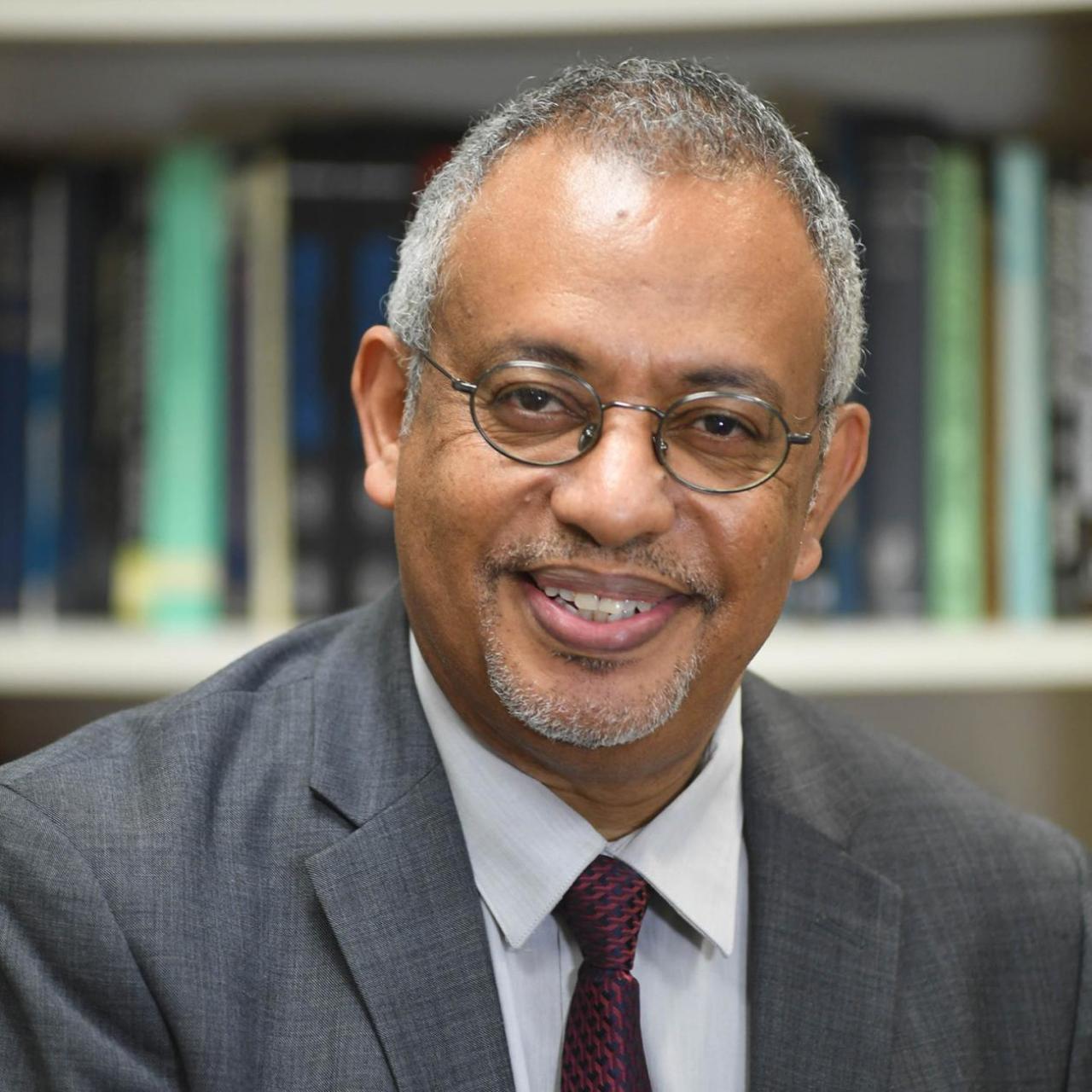
Berhane Named AAAS Fellow
Kiros Berhane, PhD, the Cynthia and Robert Citrone-Roslyn and Leslie Goldstein Professor and Chair of Biostatistics has been named a fellow of the American Association for the Advancement of Science. Berhane is recognized for his groundbreaking contributions in the development of innovative statistical methods that have contributed to environmental health, chronic disease, and public health research.

Quarraisha Abdool Karim Joins Royal Society
Epidemiology professor Quarraisha Abdool Karim, PhD, has been elected a fellow of the Royal Society, a group of the world’s most eminent scientists. For over three decades, she has played a leading role in shaping the global HIV prevention field. Her landmark research showing that antiretrovirals can prevent the sexual transmission of HIV formed the foundation for pre-exposure prophylaxis (PrEP).

Miller Takes SPARK Prize
Gary Miller, PhD, vice dean for research strategy and innovation and Environmental Health Sciences professor, is among five investigators selected for the prestigious 2024 SPARK NS Parkinson’s Disease Translational Research Program. Miller will receive milestone-based project funding of up to $2,000,000, education in drug development and academic entrepreneurship, and other support during the two-year program.
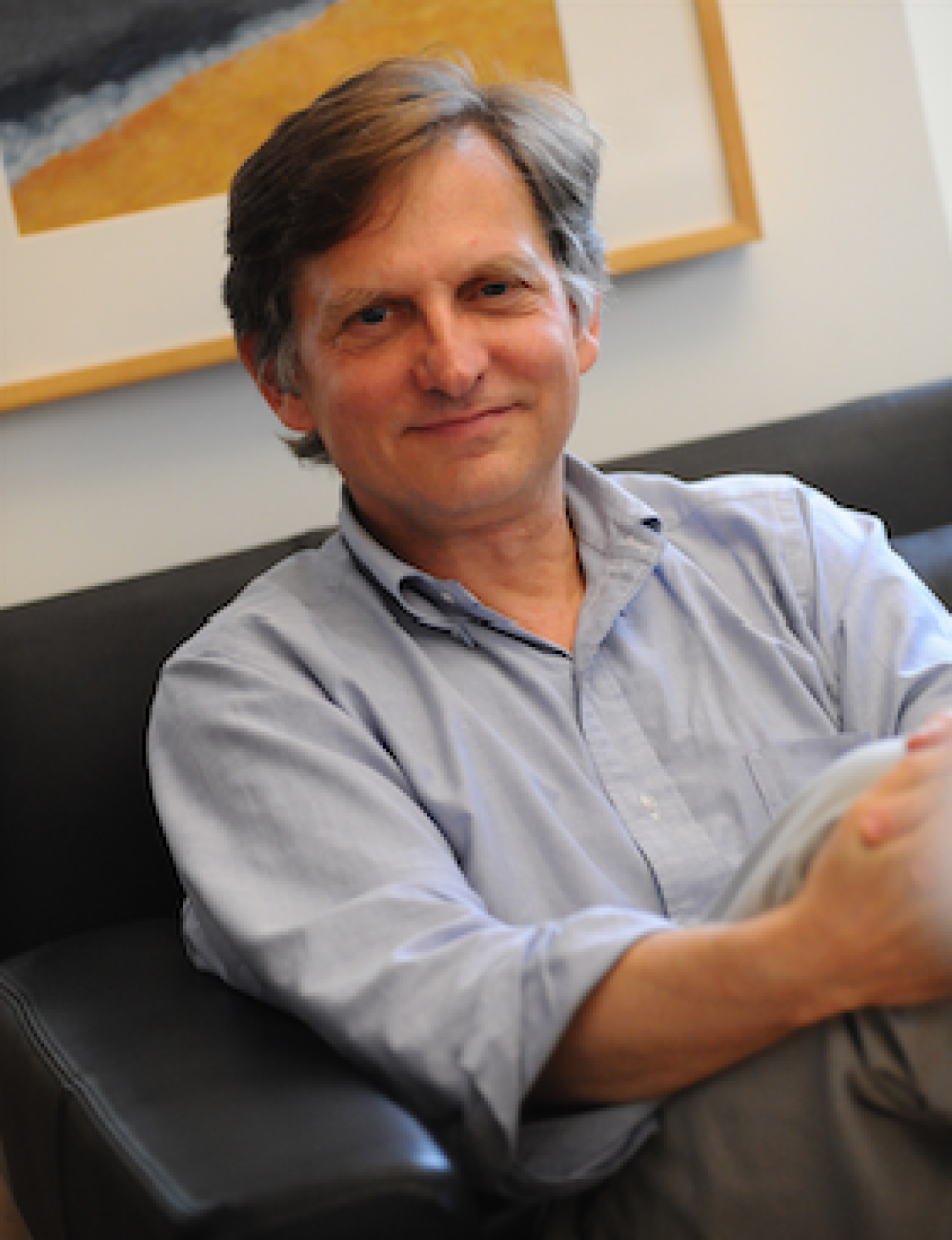
Lipkin Named National Academy of Inventors Fellow
W. Ian Lipkin, MD, director of the Center for Infection and Immunity and John Snow Professor of Epidemiology has been named a National Academy of Inventors Fellow, in recognition of his development of novel technologies for infectious disease diagnosis, surveillance, and discovery. Lipkin is known as the “master virus hunter” for his role in the discovery of more than 2,500 microbes (and counting).