
Our Vision & Mission

Building a Healthy and Just World
For more than 100 years, Columbia University Mailman School of Public Health has been a global leader in advancing education, research, and practice to prevent disease and disability and improve the health of entire populations. Our vision is a healthy and just world for everyone. We are guided by the fundamental principle that health is a human right.
Our mission is to educate the next generation of public health leaders, conduct groundbreaking discovery, and deliver solutions to protect and improve the health and well-being of people everywhere. We are dedicated to fostering an inclusive and equitable environment in which diverse voices and identities are nurtured, valued, and respected. Together, our community strives to achieve a healthy and just world for all.
History
The precursor to the Columbia Mailman School of Public Health, the DeLamar Institute of Public Health at Columbia University was founded in 1922 with a mandate to “study and [teach] the origins and cause of human disease and the prevention thereof.” In the decades since, Columbia Mailman has cemented a reputation for research that has addressed critical public health issues of the day, ranging from emerging infectious diseases and the impact of environmental chemicals to healthy aging and the implications of health policy decisions.
A Call to Arms
In 1909, the College of Physicians and Surgeons (P&S) of Columbia University issued an urgent call for a “new public health” that would integrate medical and social sciences with biostatistics and sanitary engineering. Thirteen years later, with a $3 million bequest from the estate of Joseph DeLamar, the DeLamar Institute of Public Health opened its doors. In 1945, the Institute became the Columbia University School of Public Health.
The School developed deep connections to New York City early on, and in 1939 the City's Department of Public Health and the Institute agreed to share a building on 168th Street. Committed to marrying health education with service delivery to the local community, the partnership laid the foundation for the School’s abiding interest in the health of people living in cities.
A Multidisciplinary Approach to Public Health

The public health faculty blazed new trails from the start, collaborating with educators and engineers to address sanitation-related health issues and with social scientists to address socioeconomic-based public health challenges.
The latter partnership produced a landmark 1959 study conducted by Dr. Ray Trussell (director of the School from 1955 to 1968) and Dr. Jack Elinson (who later founded the School’s Division of Sociomedical Science) which demonstrated much higher rates of chronic disease among a rural population in New Jersey than previously reported. The study pioneered both on-site health examinations and new sampling techniques to collect valuable medical data.
Columbia Mailman continued to break new ground as the first institution to establish programs in sociomedical sciences and psychiatric epidemiology training, and the first to offer a joint degree in business and public health.
The Modern Era
Beginning in the 1980s, the School recognized the changing public health landscape and adjusted its focus to meet new challenges. Under the leadership of Dean Allan Rosenfield, HIV/AIDS treatment and prevention, increased access to health care for all, and health issues affecting women and children became critical research priorities.
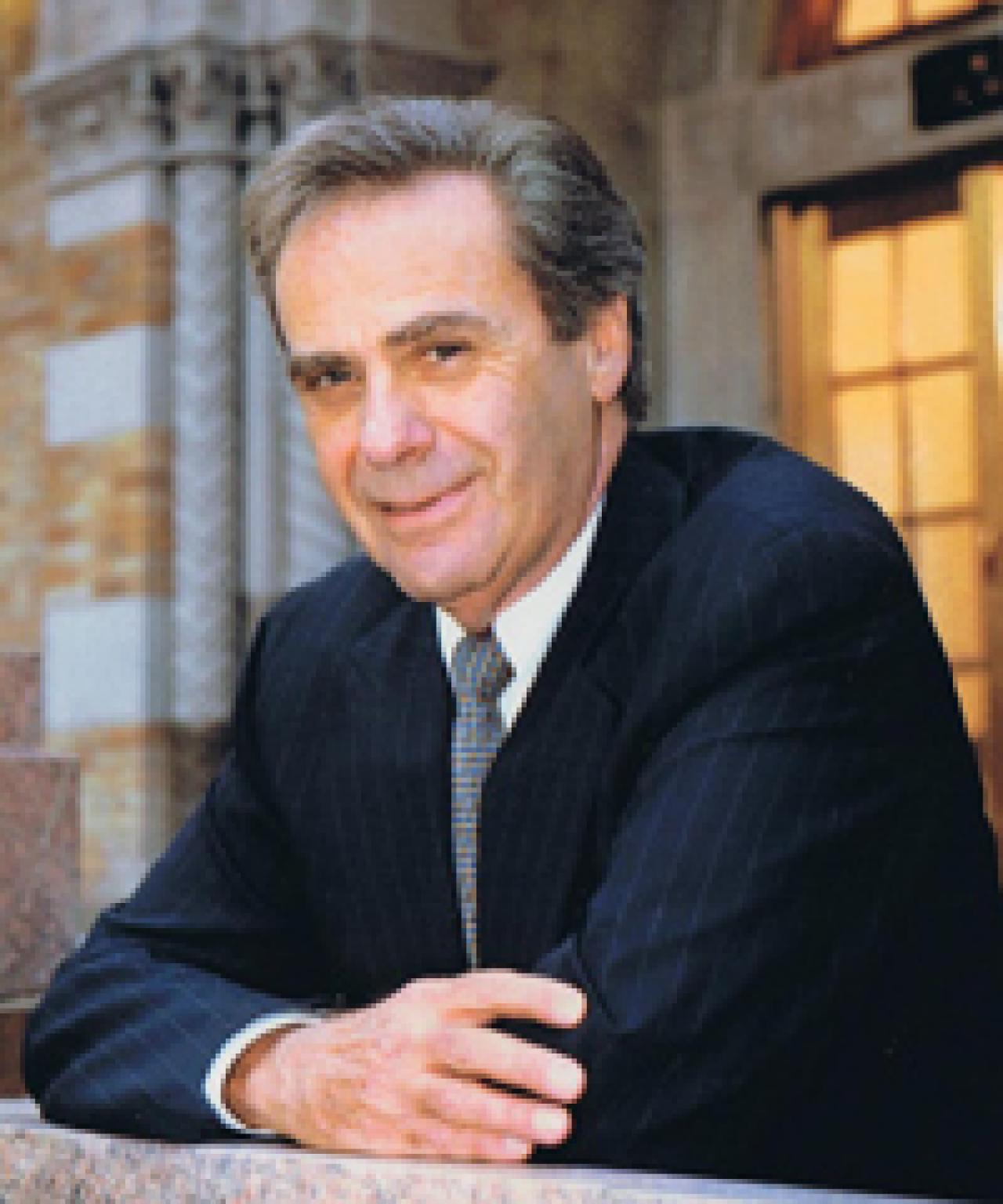
In 1998, the School was renamed to honor Joseph L. Mailman, whose foundation offered a transformational $33 million gift. Joseph L. Mailman was deeply committed to the welfare of others. A generous benefactor to organizations focused on health and education, he also actively assisted families fleeing Nazi Germany. In 2000, Columbia Mailman became an independent school within the University, with divisions reclassified as full departments. In 2001, the School found a new home in the Allan Rosenfield Building, named in tribute to the late dean.
Linda P. Fried, a national leader in geriatric health and epidemiology and Columbia Mailman dean from 2008 to 2024, developed a vision for the School to meet 21st-century public health challenges. During this period, the School built research programs in new areas, including healthy aging, data science, and the impacts of climate change on health. The School also launched an updated MPH curriculum focused on leadership and applied learning, and more recently, online degree options.
In recent years, the School’s researchers have advanced knowledge to inform policy decisions, from New York City’s decision to phase out diesel city buses to laws restricting the use of chemicals in products. They have also worked with governments to respond to infectious disease outbreaks, from COVID-19 to Ebola.
In 2026, Jonathan Mermin, a longtime infectious disease leader at the Centers for Disease Control and Prevention, was named the School’s ninth dean. Amid a moment of uncertainty for public health, Dean Mermin is pursuing an ambitious vision to expand the field’s ability to harness technologies to solve public health challenges.