
PhD Student Candidates
2026 Cohort
Aanya Bahl
I am a PhD student in Epidemiology at Columbia University, where I work at the Robert N. Butler Columbia Aging Center. My research is centered on plasma biomarkers of neurodegeneration and biological aging in Alzheimer’s disease and related dementias. Specifically, I am interested in unearthing how immune aging and neurodegenerative risk is shaped across the life course. Prior to my work at the Aging Center, I was involved with the Washington Heights Inwood Columbia Aging Project at the G.H. Sergievsky Center, where I studied how cardiometabolic risk factors influence Alzheimer’s risk. Beyond my research, I am passionate about making science accessible for everyday audiences, especially children. Outside of science, I can be found running, gardening, or listening to a good New York City history podcast.

Pilar Bancalari
I am a first-year PhD student and pre-doctoral fellow in the T32 Psychiatric Epidemiology Training Program. My research focuses on the structural determinants of behavioral health across the life course. I am interested in the developmental pathways through which social policies, systems, and community contexts influence psychiatric and violence outcomes, with particular attention to the intergenerational transmission of risk. My prior research spans youth suicide, community gun violence, and child maltreatment. I earned an MPH from Columbia Mailman and a BA in Community Health from Tufts University.

Angela D’Adamo
My research interests lie at the intersection of substance use and social epidemiology. In particular, I am interested in studying emerging polysubstance use patterns and how social and structural factors, including stigma and housing instability, influence engagement with substance use treatment and harm reduction services among populations at elevated risk for overdose, HIV, and hepatitis C.
As a pre-doctoral fellow in the Substance Abuse Epidemiology T32 Training Program, I aim to leverage data from healthcare settings such as emergency departments to identify opportunities for intervention among underserved populations facing barriers to accessing substance use treatment. My long-term research goals focus on evaluating barriers to the uptake and retention of medications for opioid use disorder and characterizing treatment gaps related to stimulant use disorders, with particular attention to racial and ethnic disparities in treatment access and engagement. I earned my Master of Health Science degree in Epidemiology from the Johns Hopkins Bloomberg School of Public Health in 2024 and my Bachelor of Science in Public Health from Rutgers University in 2022.
Research Interests
- Substance Use Epidemiology
- Social Epidemiology
- Racial and Ethnic Disparities
- Spatial Methods
- Urban and Rural Health

Shukri Hassan
I am an incoming PhD student in Epidemiology at Columbia University Mailman School of Public Health, supported by the Global HIV Implementation Science Research Training (T32) Fellowship. I hold an MPH in Epidemiology from Columbia Mailman, and a BS in Public Health – Global Health and a BA in Medical Anthropology and Global Health from the University of Washington. I bring over six years of experience in HIV and global health research, including four years coordinating NIH-funded studies at the University of Washington Division of Infectious Diseases.
My research focuses on HIV implementation science, long-acting antiretroviral therapy and PrEP, and reproductive health integration, with a deep commitment to health equity among adolescents and marginalized populations in sub-Saharan Africa and immigrant communities in the United States. My fieldwork has taken me across Kenya, Malawi, and South Africa, and I have contributed to over 15 peer-reviewed publications.
As a Somali-American, I am passionate about centering the voices and experiences of immigrant communities in health research. Outside of work, you can find me trying a new recipe, hunting down NYC's best bakeries, or getting lost in a good book.

Jillian Paul
My research interests include the influence of life-course environmental exposures on chronic women's health conditions, such as endometriosis. I’m especially interested in applying causal inference and Bayesian methods to examine complex exposures, including endocrine-disrupting chemicals. Ultimately, I hope to find environmental risk factors for these conditions to support public health policies that protect women. I earned my MPH in epidemiology and biostatistics from University of California, Berkeley. While there, I worked with the CHAMACOS study to look at how prenatal and early life exposure to pesticides and air pollution leads to health problems later in life. I also worked with California's Office of Environmental Health Hazard Assessment to evaluate toxic chemicals, and with the state's Sickle Cell Data Collection program to track patient health outcomes. In my free time, I enjoy ceramics, hiking, and baking.

Adea Rich
My research interests lie at the intersection of cognitive neuroscience and epidemiology, with a focus on understanding how social, environmental, and biological factors across the life course influence cognition and brain health. I am particularly interested in identifying early-life prevention opportunities and examining the cumulative impact of risk factors on cognitive outcomes. My secondary research interests include methodological approaches for addressing bias and understanding disparities and heterogeneity in neurological disorders. I received an MPH from Brown University and a BS in Health Sciences from the University of Missouri-Columbia. Outside of research, I enjoy spending time with friends, playing volleyball, running, writing, baking, traveling, and exploring creative hobbies.

Isadora Salles
My research interests are at the intersection of TB/HIV epidemiology, migration, and geospatial methods. I am particularly interested in how population mobility affects TB/HIV testing, care access, delivery, and retention, and how spatial and implementation science methods can help identify gaps and improve care continuity for mobile populations. I earned my BA in Public Health Studies and Romance Languages from Johns Hopkins University, and my MHS in Infectious Disease Epidemiology with a Certificate in Humanitarian Health from the Johns Hopkins Bloomberg School of Public Health. In my free time, I enjoy traveling, learning new languages, scuba diving, and taking long city walks with no destination.

Emma Sexton
I am a doctoral student and predoctoral fellow in the Psychiatric Epidemiology Training Program. My background spans clinical neurophysiology research with pediatric populations, program evaluation for nonprofits and foundations, and mental health research with communities impacted by war and conflict. My research lies at the intersection of psychiatric and translational epidemiology, with a focus on how social and physical environments shape mental health inequities across the life course. I am particularly interested in clarifying mechanisms to inform interventions and prevention strategies addressing mental health outcomes, such as non-suicidal self-injury and suicide, at critical developmental periods.
I received a BS in Health & Exercise Science and Anthropology from Wake Forest University and an MPH from Columbia Mailman in the Heilbrunn Department of Population and Family Health, with a certificate in Public Health Research Methods.
Outside of research, I enjoy playing board games with friends, running and hiking with my partner, and spending time with our cat, Wilson

Wenxin (Will) Tian
My research focuses on emerging zoonotic diseases and how infections shape later-life health outcomes through the lens of seroepidemiology. I am particularly interested in using high-throughput serological approaches to identify immunogenic viral epitopes for diagnostics and vaccines, and to study the relationship between latent virus reactivation and chronic diseases. Before joining the doctoral program in the Department of Epidemiology, I earned my B.S. in Bioinformatics from UC San Diego and my M.S. in Biostatistics from Columbia Mailman. Outside of work, I enjoy running, playing tennis, and skiing.
Research Interests
- Infectious Disease
- Serology
- Bioinformatics


2025 Cohort
Haley "Kanoe" Evile
My research interests lie in chronic disease, particularly cancer and metabolic disease. I am interested in studying the etiology and differential progression of disease through the lens of molecular epidemiology, with the ultimate goal of translating these insights into improved clinical decision-making and patient care. I earned a BS in Biological Engineering from the Massachusetts Institute of Technology in 2023 and am currently pursuing an MD/PhD at Columbia.
Research Interests
- Chronic Disease
- Cancer
- Metabolic Disease
- Molecular Epidemiology

Sam Fisch
My research utilizes pharmacoepidemiologic techniques, leveraging large-scale, real-world data to answer essential safety questions. I identify clinically significant adverse events that limitations in existing methods overlook due to gaps in post-marketing surveillance. My interests include rare diseases, psychiatric conditions, and cancer.
Before beginning my doctoral studies, I earned an MPH from Columbia University’s Mailman School of Public Health where I joined the newly established Pharmacoepidemiology and Health Outcomes Center led by Drs. Alfred I. Neugut and Daniel E. Freedberg. I previously received my BS in Public Health from Tulane University, where my research focused on wastewater-based surveillance for infectious diseases in urban environments.
Research Interests
- Pharmacoepidemiology
- Drug Safety and Pharmacovigilance
- Causal Inference Methods


2024 Cohort
Natalie Boychuk
I am interested in using large-scale administrative data to explore the extent to which social policies, such as paid family leave, and broader socioeconomic conditions impact disparities in pregnancy and postpartum health outcomes. I currently work with Dr. Teresa Janevic and the VIBE Lab, where I am helping to develop an agent-based model simulating the impacts of social/built environment policies on cardiometabolic trajectories after gestational diabetes and evaluating a community-based doula program in Queens. I hold an MPH from Columbia Mailman, where I worked with Averting Maternal Death and Disability on a project to revise global metrics for emergency obstetric and newborn care. I received my BA from the University of Toronto and started my career in public health at Grand Challenges Canada. Outside of work, I love to bake, explore the city, and spend time with my husband and our cat.
Research Interests
- Maternal and Child Health
- Social Epidemiology
- Health Services
- Causal Inference Methods

Stanford Chihuri
I am an epidemiologist with experience in patient and population-based research utilizing large database schemas. At Columbia University Medical Center, I helped design and conduct studies on substance use and injuries. My research focuses on the intersection of substance use, policies, and harm outcomes, such as injuries from motor vehicle crashes, falls, and self-harm, particularly among vulnerable populations like older adults, amputees, and pregnant women. I have guest-lectured on injury research methods at Columbia University and directed the Injury Lab at the Columbia University Center for Injury Science and Prevention.
Previously, I utilized statistical methods such as hierarchical modeling, longitudinal data analysis, and structural equation modeling to assist researchers investigating the health impacts of medication and product exposures. This includes studies on prenatal anesthesia exposure and neurodevelopmental outcomes, epidural use and maternal mortality and morbidity, and allogeneic blood transfusion and postoperative infections.
I hold an MPH in epidemiology with a certificate in advanced epidemiology from Columbia University Mailman School of Public Health. In my free time, I enjoy reading true-crime novels, cooking, playing soccer, and listening to podcasts.
Research Interests
- Substance Use and Substance Use Disorders
- Injury Prevention
- Research Methods

Edgar Ellis
I am interested in the associations between environmental exposures and cancer outcomes, with an emphasis on health disparities and medically underserved populations. Specific exposures include air pollution, pesticides/herbicides, heavy metals, and tobacco smoke. Cancer sites I would like to research include lung, prostate, and breast cancers. To investigate these associations in-depth, I am interested in learning life course and exposomic methods to understand the totality of environmental exposures on cancer risk, especially during windows of susceptibility, for high-risk and disparate populations. I earned my MPH in Epidemiology from the University of Arkansas for Medical Sciences and my BS in Chemistry from the University of Arkansas. I enjoy reading, playing tennis and golf, visiting museums, and traveling.

Nora Kelsall
My research interests revolve around the interplay of adolescent mental health, suicidality, and global health. I’m especially interested in using novel data sources such as online data in combination with large epidemiological datasets to see how social environment plays a role in risk for suicide. I hold a bachelor's degree in Mechanical Engineering from Massachusetts Institute of Technology, and a Master’s in Science of Epidemiology from Harvard T.H. Chan School of Public Health. Outside of my research I enjoy biking, going to concerts with friends, and playing with my cats.

Nodar Kipshidze
I am passionate about understanding the drivers of disease persistence and the interplay of factors such as population immunity, human mobility, health inequities, and behavior in promoting disease persistence. My research focuses on linking these theoretical questions to real-world applications, optimizing public health interventions to reduce the burden of various infectious diseases. To achieve this, I employ a range of mathematical, statistical, and spatial models. Over the past year, I have held a dual appointment, dividing my time between the Yale School of Public Health as a postgraduate associate and the One Health Trust as a senior research analyst. At Yale, I have been evaluating the cost-effectiveness of different vaccine interventions for typhoid outbreaks. At the One Health Trust, I have continued my work on mpox persistence in the U.S., while also expanding my research to include evaluating the long-term impacts of doxycycline as post-exposure prophylaxis (PEP) on bystander bacterial populations, modeling human behavior in mechanistic and agent-based models, and forecasting flu pandemics. Before my current roles, I spent nearly a decade in industry, leading global clinical programs for various biomedical start-ups. I hold an MS in Epidemiology from Columbia University (2023), an MPH in Global Health from NYU (2017), and a BA in English from Franklin & Marshall College (2014). My hobbies include distance running, hiking, and cooking.

Sunyeop (Sun) Lee
My current research focuses on screening, treatment, and population-level trends of cancer. My research interests span health equity, causal inference, and artificial intelligence. I received an MS in Epidemiology from Harvard T.H. Chan School of Public Health, and BS in Health Science from Furman University.
Research interests
- Cancer epidemiology
- Causal inference
- Artificial intelligence

Shanyah Mitchell
Ms. Shanyah Mitchell is a pre-doctoral fellow in the Global HIV Implementation Science Research T32 training program. She is interested in examining the role care access plays in the incidence of infectious disease. More specifically, she is interested in the impact access to prevention and treatment methods for disease has on individual health, and community level outcomes such as transmission and outbreak mitigation, as well as understanding the factors that exacerbate unequal disease burden in a population. She is also interested in further understanding the ways in which social and behavioral factors impact care uptake and engagement in areas where care is readily accessible. She obtained her MPH in Epidemiology from Columbia University in 2024 with a certificate in Infectious Disease Epidemiology, and holds a BA in Biological Sciences with a concentration in Microbiology, and Classics from Cornell University.
Research Interests
- Infectious Diseases
- HIV
- Social Epidemiology
- Health Disparities
- Implementation Science



2023 Cohort
Calvin Colvin
Calvin's research centers on adverse age-related outcomes and their life course social determinants. His current work focuses on life course financial resources and their contribution to cognition and physical function in midlife and older age. In addition, Calvin has a background in the study of cardiovascular disease and its social determinants.
Research Interests
- Social Epidemiology
- Aging
- Alzheimer's Disease and Related Dementias
- Cardiovascular Disease

Alexander Furuya
I am a Columbia University graduate student pursuing a PhD in Epidemiology at the Mailman School of Public Health. I am currently in the Social and Spatial Epidemiology Lab and The Community Health Advisory & Information Network. My primary mentor is Dr. Dustin Duncan.
I have an extensive background in biostatistics, social epidemiology, and public health research. My overall goal is to understand the social determinants of health among marginalized populations and to identify effective interventions to improve health. My current research focus is identifying the impact of unmet basic needs (housing instability, food insecurity, and transportation barriers) on HIV antiretroviral therapy adherence.Research Interests
- Social Epidemiology
- HIV Care and Prevention
- Causal Inference
- LGBTQ+ Health

Michelle Lui
I am a first year pre-doctoral candidate in the department of Epidemiology and am funded by the Advanced Training in Environmental Health and Data Science Training Program. I received my BA in Public Health and Molecular and Cell Biology from the University of California, Berkeley in 2019, and my MPH in Epidemiology with a Certificate in Applied Biostatistics and Public Health Data Science from the Columbia University Mailman School of Public Health in 2021. Prior to beginning my doctoral training, I worked as a research associate at Memorial Sloan Kettering Cancer Center where I helped conduct research on smoking cessation among cancer patients. Currently I am working with Dr. Parisa Tehranifar to examine predictors and disparities in cancer screening, with a focus on breast cancer screening. I am also working with Dr. Mary Beth Terry to study the gene-environment interactions for polycyclic aromatic hydrocarbons and breast cancer.

Elise Mara
I am an infectious disease epidemiologist, doctoral student, and Global HIV Implementation Science Research Training Fellow with ICAP. My research is focused on improving characterization of HIV treatment continuity in low and middle-income countries using routinely collected data, with the aim of guiding development and implementation of interventions to help people with HIV remain on treatment. Prior to coming to Columbia, I worked for the San Francisco Department of Public Health, where I supported a diverse range of activities including disease surveillance, care linkage and navigation programs, and research studies pertaining to HIV, STIs, hepatitis C, COVID-19 and mpox. I have a strong informatics background with approximately a decade of experience in relational database design and administration, data management, and statistical analysis. I earned a BS in Biological Sciences from the University of Michigan-Dearborn in 2014 and an MPH in Epidemiological Methods and Applications from the University of Michigan in 2016. My dissertation sponsor is Dr. William Reidy.
Research Interests
- Infectious Disease
- Health Interventions
- Implementation Science
- HIV Treatment and Prevention
- Global Health

Marco Thimm-Kaiser
I am a first-year pre-doctoral candidate and a graduate research assistant in the Department of Epidemiology. My research focuses on psychiatric and social epidemiology, with an emphasis on health and wellbeing during adolescence and young adulthood. I am particularly interested in novel, multidimensional approaches for measuring social contexts and methods for modeling their impact on changing patterns of mental health and health behavior. I also have a background in research on health promotion in the U.S. Latino community, pragmatic community trials of family-based interventions to mitigate the impacts of harmful social determinants of health, and the prevention of HIV and STIs. I received a BA in Economics and an MPH in Epidemiology and Biostatistics from the City University of New York (CUNY), and I have held research positions at Johns Hopkins, Duke, and New York University.

Adam Whalen
I am a PhD candidate and predoctoral fellow in the NIDA Substance Abuse Epidemiology T32 Training Program. I am a social and spatial epidemiologist, interested in neighborhood built and social environmental predictors of polysubstance use, particularly of alcohol, nicotine, and cannabis, among adolescents and young adults. I am also interested in injury and violence outcomes, sexual and gender minority health, and transportation safety research. I am a member of the Columbia Spatial Epidemiology Lab and conduct research under the mentorship of Dr. Dustin Duncan. I received my BS in Biology and Public Health Science from Santa Clara University in 2015 and my MPH in Epidemiology from the Columbia University Mailman School of Public Health in 2021.
Research Interests
- Substance Use
- Social Epidemiology
- Spatial Methods
- Injury/Violence
- Transportation
- Sexual and Gender Minority Health

Siddhesh Zadey
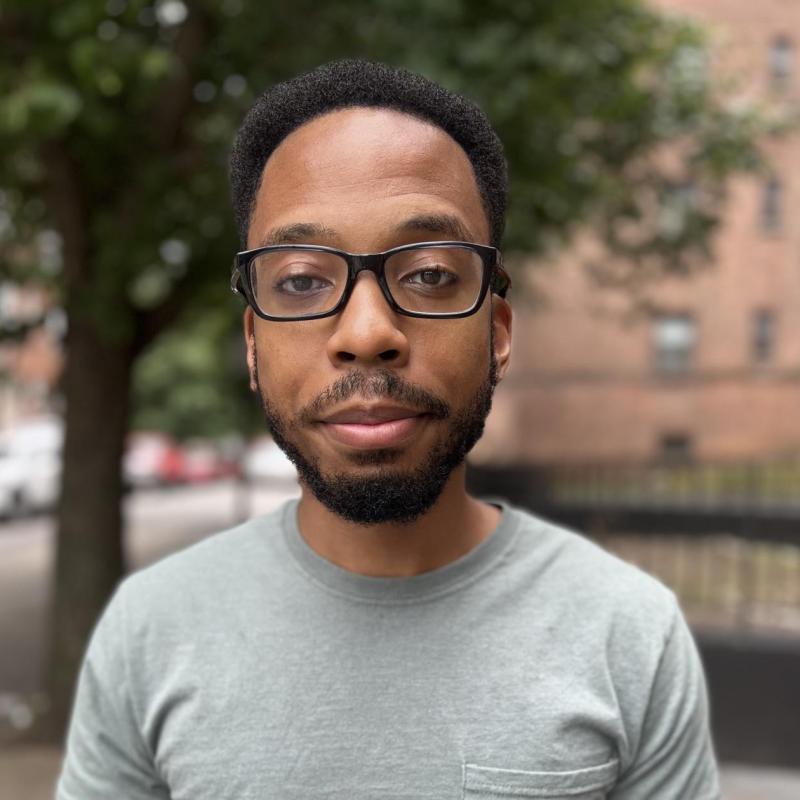
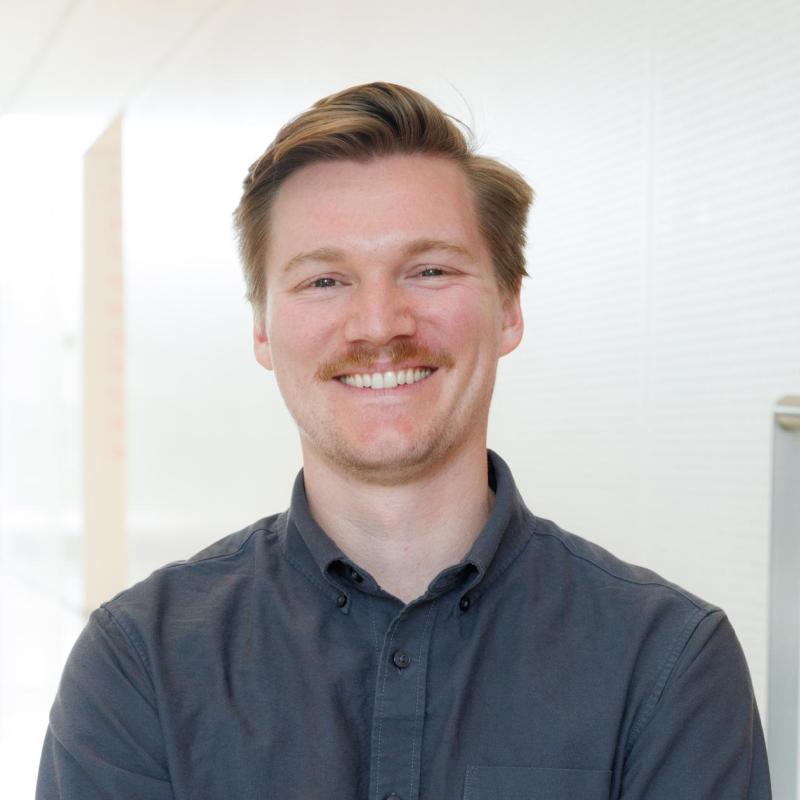
Siddhesh (Sid) Zadey is a Doctoral Student in Epidemiology at Columbia University with Graduate Research Assistantships with Dr. Chris Morrison (The GAPS Lab) and Prof. Charles Branas (CCISP). He is interested in how alcohol use, self-harm behaviors, and firearm violence are related. He is also a Co-founder of the non-profit think-and-do tank - Association for Socially Applicable Research (ASAR) based in India, a Research Affiliate for Global Surgery at the Duke GEMINI Research Center, and an Adjunct Research Faculty at Dr. D. Y. Patil University, Pune, India. He has an integrated BSMS in Natural Sciences with a focus in Neuroscience from the Indian Institute of Science Education and Research (IISER) Pune, India, and an MS in Global Health from the Duke Global Health Institute US. He has previously worked at the Departments of Surgery and Emergency Medicine at Duke University School of Medicine and has been trained at the Berenson Allen Center for Noninvasive Brain Stimulation, Harvard Medical School. At ASAR, he focuses on health systems modeling and population-level health disparities. At Duke, he worked on investigating access to surgery in rural India, low-cost gasless laparoscopy innovations for in low-income countries, and building the alcohol use behavioral phenotyping test (AUBPT) for testing in global populations. Currently, he serves as the Chair of the SOTA Care in South Asia Working Group of the G4 Alliance, a Fellow for the Lancet Citizens' Commission for Reimagining India's Health System, and a member of the Drafting Committee for the Maharashtra State Mental Health Policy. He is a part of the Global Burden of Disease Collaborators Network, Mental Health Innovation Network, and Global Mental Health Action Network. In 2021, he served as a member of the Indian Academy of Pediatrics COVID-19 Task Force for School Reopening. His work has been published in The Lancet, JAMA Surgery, Lancet Global Health, Lancet Regional Health Southeast Asia, and BMJ Global Health, among others. He has written for Think Global Health, Harvard Public Health Magazine, BMJ Opinion, The Wire, The Hindu, and Hindustan Times. He was awarded the prestigious Consortium of Universities for Global Health's Young Leader Award (under 30) in 2022 and was inducted into the inaugural cohort of '40 under 40' in Public Health Catalyst of the Boston Congress of Public Health.




2022 Cohort
Erin M. Annunziato
I am a pre-doctoral fellow in the Substance Abuse Epidemiology T32 Training Program. I am interested in structural-level determinants contributing to substance use-related harms, including racial and ethnic disparities in substance use treatment and drug-related legal outcomes. My current research examines relationships between 1) state policies, such as drug monitoring programs, and legal outcomes, and 2) racial and ethnic disparities in substance use treatment access through the criminal legal system. I have a BS in Biology from Boston College and an MPH in Epidemiology from the Mailman School of Public Health.
Research Interests
- Drug policy
- Drug criminalization
- Racial and ethnic disparities
- Social epidemiology
Lina Demis
I am a doctoral candidate in the Department of Epidemiology and an NICHD F31 predoctoral fellow. I am interested in improving health outcomes for individuals with mental, neurological, and substance use disorders in low-resource, global settings. I have developed a program of research following two tracks, with the first focused on testing and adapting psychological and psychosocial interventions to address mental health and substance use conditions in conflict-affected contexts. My second research track is focused on improving the timely identification of children with neurodevelopmental conditions in a peri-rural South African community with limited resources and access to diagnostic and intervention support.
I received a BS in Biology from Brooklyn College (City University of New York) and an MPH in Epidemiology and Humanitarian Action at the Columbia University Mailman School of Public Health. During my PhD at Mailman, I was a T32 predoctoral fellow in the Substance Abuse Epidemiology Training Program (SAETP), and in the Advanced Training in Environmental Health and Data Science Training Program.Research Interests
- Global Mental Health
- Psychiatric and Substance Use Epidemiology
- Humanitarian Health
- Child and Adolescent Development
- Transdiagnostic Psychiatric Research

Nicole Itzkowitz
I am a PhD candidate in the Department of Epidemiology and a member of the Built Environment and Health research group (BEH). I entered the program in 2022 with an MSc in epidemiology from The London School of Hygiene and Tropical Medicine and a BA in public health from the University of Rochester.
My research interests are broadly concerned with measuring the built, social, and commercial environment in urban spaces and estimating the effects of these neighborhood environments on injury and other non-communicable disease outcomes.
My dissertation work, funded by a National Institute of Environmental Health Sciences NRSA F31 fellowship, aims to quantify the burden of exposure to ambient noise pollution in NYC and estimate the effects of exposure to noise pollution on adverse birth outcomes. I am creating a novel approach to measuring noise intermittency for epidemiologic research using administrative data, and applying this new metric to analyses of noise and adverse birth outcomes among NYC residents.
I am also involved in several BEH projects related to identifying modifiable built environment risk factors for pedestrian safety and understanding naloxone usage among emergency medical service providers responding to opioid overdose events.Research Interests
- Built Environment
- Environmental Epidemiology
- Spatial Methods
- GIS
- Pedestrian Safety
- Non-communicable Disease

German Rivera-Castellar
I started my PhD in Epidemiology in 2022 after finishing my MPH at New York University GPH. Before moving to NYC, I completed a MS in research and evaluation of health systems and a BS in industrial microbiology at the University of Puerto Rico. Previously, I have worked in evaluation of CDC funded public health programs at UPR Comprehensive Cancer Center, knowledge management at UNICEF HIV/AIDS section, and research regarding HIV/AIDS in Puerto Rico and vaccination hesitancy amongst PWID. Currently, I am a fellow in T32 Social Determinants of HIV and my research interest include disparities in HIV amongst racial and ethnic minorities as we as sexual and gender minorities. My current work also addresses changes in the gut microbiome and its effect in the body.
Research Interests
- HIV/AIDS
- Microbiome
- Racial and Ethnic Disparities
- Social Epidemiology
- Sexual and Gender Minorities
- Spatial Epidemiology
Michelle Smith
I am a second-year PhD student specializing in Epidemiology at the Mailman School of Public Health. I am also a Lead Teaching Fellow at the Center for Teaching and Learning, and am a Trainee Associate Member of the Herbert Irving Comprehensive Cancer Center. I received my BS in Biology from Stony Brook University and my MPH in Epidemiology from SUNY Downstate Health Sciences University. My professional experience spans medical research in start-up companies, academic hospitals and research centers. Previously, I worked in start-up companies geared towards cancer outcomes and precision medicine where I focused on data abstraction and analysis of breast, colorectal and lung cancers using electronic medical records. I contributed to research at Memorial Sloan Kettering Cancer Center on integrative medicine techniques addressing chemo-induced neuropathy, and administratively managed multiple projects at the Feinstein Institutes for Medical Research, encompassing population health, neurosurgery, and Alzheimer’s disease research. At SUNY Downstate, I began research on adverse pregnancy outcomes and social determinants of health (SDOH) among predominantly Caribbean and African communities in Brooklyn. My current research focuses on examining the nuances of the breast cancer tumor microenvironment, particularly around pregnancy and hormonal shifts. This work involves spatial analysis, T-cell distribution, proteomics and traditional epidemiologic methods.
Research Interests
- Breast Cancer
- Cancers of the Reproductive System
- Environmental Exposures
- Endocrine Disrupting Chemicals
- Machine Learning
- Digital and Computational Pathology
- Social Determinants of Health (SDOH)
- Health Disparities

Sara Wallach
As a PhD candidate in the Department of Epidemiology, my work sits at the intersection of epidemiology, implementation science, and public health practice. I use novel epidemiologic methods, observational research, and routinely collected data to assess impact, generate real-world evidence, and translate findings into decisions across research, policy, and practice. My dissertation, "Meaningful metrics - who needs PrEP and better measurements of PrEP need at population and individual levels in Eswatini," is funded by the National Institute of Mental Health under the Ruth L. Kirschstein National Research Service Award (F31). My pre-doctoral work was supported by the Global HIV Implementation Science Research T32 Training Fellowship. I have over ten years of experience implementing, managing, and evaluating large-scale HIV programs with the New Jersey Department of Health, U.S. Centers for Disease Control and Prevention, Zimbabwe Office, and ICAP at Columbia University. I received my BA in Anthropology and Global Public Health from New York University and my MPH, with a focus on the evaluation of international health programs, from Johns Hopkins Bloomberg School of Public Health.
Research Interests
- HIV
- HIV Prevention
- Implementation Science
- Health and Human Rights
- LGBTQ+ Health
- Infectious Diseases
- Quasi-Experimental Designs

John Wetmore
John Wetmore began his PhD studies in the Department of Epidemiology in Fall 2022. Previously, he earned a master’s of public health in epidemiology & biostatistics from the CUNY School of Public Health and a bachelor of art’s degree in psychology and classical studies from Macaulay Honors College at Hunter College. He is a Graduate Research Assistant at the at the Gertrude H. Sergievsky Center, Columbia University Irving Medical Center. Wetmore’s research interests include the psychosocial impacts of neurological disorders, genetic and behavioral interventions, and health disparities. He has conducted research to determine how Latinos respond to learning their genetic risk for Alzheimer’s disease, to understand the psychosocial impacts of living with epilepsy, and to validate clinical rating scales for use in patients with Parkinson’s disease.


2021 Cohort
Dana Bezuidenhout
I am a third-year pre-doctoral candidate in Epidemiology and a pre-doctoral fellow in the Global HIV Implementation Science Research Training Fellowship. I received my BA in Biology, Society, and the Environment from the University of Minnesota – Twin Cities in 2016 and my MPH, focusing on Epidemiology and Global Health, from Columbia University Mailman School of Public Health in 2018. Previously I worked as a project manager and epidemiologist at The Foundation for Professional Development in East London, South Africa, working on tuberculosis (TB) point-of-care diagnostics, TB stigma, and HIV prevention interventions for adolescent girls and young women. My research currently focuses on incorporating spatial and genomic data as an innovative way to understand community TB transmission and to inform active case-finding strategies in TB-endemic settings. I also perform research assessing the impact of diabetes on TB treatment outcomes. My research interests include TB transmission, spatial epidemiology, and implementation science.
Research Interests
- Tuberculosis Transmission
- Spatial Epidemiology
- Implementation Science

Sarah Forthal
I am a PhD candidate and pre-doctoral fellow in the T32 Psychiatric Epidemiology Training Program at the Mailman School of Public Health. I am also a biostatistical analyst with the Global Psychiatric Epidemiology Group at the New York State Psychiatric Institute. I received an MPH in epidemiology from Mailman in 2019 and a BA in political science and statistics from Columbia’s undergraduate college in 2015. My core research interests include identifying mental health-protective factors following exposure to traumatic events, global mental health, intervention evaluation, and research with Multiracial populations. My current projects include investigating the role of parental social support in intergenerational trauma transmission, understanding depression risk in Multiracial American adults, developing an accessible guide to Single World Intervention Graphs, and co-authoring a book chapter on the health of Multiracial youth. Prior to entering the PhD program, I held research positions at the Partnership to End Addiction and Columbia-World Health Organization Center for Global Mental Health.

Catherine Gimbrone
My research focuses on policy impacts and social disparities within psychiatric epidemiology. I'm passionate about exploring related areas and have been involved in a wide range of projects. These include studies on reproductive health policy, firearm legislation, naloxone access laws, adolescent political beliefs, and suicide trend forecasting. My goal is to identify emerging mental health trends among vulnerable populations, to help improve treatment efforts and inform policy decisions. I've co-authored several publications and enjoy using my skills in statistics to deepen my understanding of these complex issues. I graduated with an MPH from Columbia University in 2020 and, in a past life, worked in filmmaking and fashion.
Research Interests
- Psychiatric Epidemiology
- Policy Research
- Reproductive Health
- Adolescence

Anton Kociolek
I am a third-year pre-doctoral candidate in Epidemiology and a graduate research assistant at the Taub Institute for Research on Alzheimer's Disease and the Aging Brain. In 2014, I received my BA in Anthropology from the City University of New York and in 2017 received my MA in Anthropology from the same institution, with a focus on historical anthropology of the Caribbean. I received my MS in Epidemiology from the Columbia Mailman School of Public Health in 2020. Prior to entering the Doctoral program in Epidemiology at Mailman, I worked as a study coordinator for Dr. Yaakov Stern at the Taub Institute, working on observational cohort studies of late-onset Alzheimer's Disease. My research focuses on investigating the relationships between underlying neuropathological processes and clinical signs in Alzheimer's Disease and the application of causal inference and machine learning methods to dementia research. My research interests include dementia and aging, neuroepidemiology, biomarker development and validation, causal inference, and machine learning.
Research Interests
- Alzheimer's Disease
- Dementia
- Movement disorders
- Aging
- Neuroepidemiology
- Causal Inference
- Machine Learning

Megan Marziali
I am a 3rd-year PhD Candidate in the Department of Epidemiology and a pre-doctoral fellow in the NIDA-funded T32 Substance Abuse Epidemiology Training Program (SAETP). I received my BSc in Microbiology and Immunology from the University of British Columbia in 2018 and my MPH in Epidemiology with a certificate in Advanced Epidemiology from the Columbia University Mailman School of Public Health in 2021. My research focuses on substance use, including polysubstance use, fatal and nonfatal overdose, social networks, and psychosocial factors (e.g., loneliness). My work is often situated at the intersection of substance use and HIV. In addition, I perform research exploring the impact of various social and substance use policies on substance use outcomes.
Research Interests
- Substance Use Epidemiology
- HIV
- Social Networks
- Social Determinants of Health
- Social Policies
- Substance Use Policies

Hoisum Nguyen
Inspired by the stories of immigrants and social justice movements in the United States, Hoisum's research centralizes psychiatric and mental health outcomes with a particular focus on trauma and violence as it relates to firearms, racial/ethnic populations, LGBQIA+ communities, and financial means. Equipped with prior training in causal theories from UCLA (2021-2023), Hoisum hopes to create research of consequence for policy formulation. Hoisum is also a Robert Wood Johnson Health Policy Research Scholar receiving health policy and leadership training from Johns Hopkins University (Class of 2026).
Research Interests
- Mental Health
- Health Equity
- Social Epidemiology
- Injury and Violence Prevention


2020 Cohort
Navdep Kaur
I am currently an Epidemiology PhD candidate (sponsor: Mark Olfson), Psychiatric Epidemiology Training (PET) predoctoral fellow, and R36 awardee through the NIMH. At Mailman, I have led several studies examining mental health patterns and treatment utilization among BIPOC populations. My dissertation focuses on improving mental healthcare access for Medicaid recipients living in low-income and racially segregated neighborhoods across New York City. Prior to beginning my PhD, I earned an MPH in Epidemiology from Columbia University and BS degrees in Mathematics and Biology from SUNY Binghamton University.

Stephen Uong
Stephen’s work focuses on understanding how social, physical, and policy environments shape health inequities. His dissertation will examine the impacts of state-level policies restricting DEI in higher education on students’ mental health and substance use. He is also interested in the application of data science, artificial intelligence, and computational tools in public health, through an equitable and ethical lens.
Interested in accessible learning, Stephen has taught and facilitated workshops on statistical programming, data science and health equity, GIS, spatial epidemiology, and sexual and gender minority health. He is particularly interested in making technical skills and methods more approachable and using creative, inclusive teaching practices to support public health learners.
At Columbia, he was previously a trainee in the Advanced Training in Environmental Health Sciences Training Program. Before beginning his doctoral studies, he worked as a data analyst at the Kaiser Permanente Northern California Division of Research across projects on racial, ethnic, and immigrant health, air pollution and cardiovascular disease, and healthcare delivery science. He received a BS in Public Health and Microbiology at The University of Texas at Austin and an MPH in Global Epidemiology from Emory University.Research Interests
- Urban Planning & Built Environment
- Health Policy & Equity
- Spatial Epidemiology
- Psychiatric Epidemiology
- Data Science & Responsible AI


2019 Cohort
Christopher Crowe
My primary goal as an epidemiologist is to facilitate the healthy aging of our population by better understanding how exposure to psychological and social factors throughout the life course may influence health during older adulthood. Under the supervision of Dr. Sarah Tom, my current research aims to evaluate potential causal relationships between structural, functional, and quality aspects of social connection or the lack thereof (e.g., social isolation, perceived loneliness) and cognitive health outcomes (e.g., cognitive decline, dementia) among older adults.
Outside of my research work, I also have a strong interest in teaching and have experience both designing and delivering course content for undergraduate and graduate students. Most recently, I have worked as a teaching assistant for Epidemiology II: Design and Conduct of Observational Epidemiology under the supervision of Dr. Sharon Schwartz and (Y)our Longer Life under the supervision of Dean Linda Fried and Dr. Dana March Palmer.
Research Interests
- Aging
- Social Determinants of Health
- Mental Health


2018+ Cohort
Autumn Clemons
My name is Autumn Clemons, and I am a sixth-year doctoral candidate in Epidemiology. I have an MPH in International Health, where I conducted field research in Uganda, and an MS in Epidemiology. I also have extensive cardiovascular research experience. As a doctoral student, I worked on projects that use latent growth trajectory methods to assess how low-density lipoprotein (LDL) exposures throughout the life course contribute to cardiovascular disease burden and disparities later in life, leading to a manuscript published in JAMA Cardiology. I also worked on pilot projects that examined both chemical exposures and modifiable behaviors (e.g., breastfeeding) that increase breast cancer risk in Black and Hispanic women as an Initiative for Maximizing Student Development predoctoral fellow. My current research with Dr. Pam Factor-Litvak focuses on evaluating the socio-environmental (e.g., phthalate and psychosocial stress exposures) impact on adverse pregnancy outcomes in an ethnically diverse nulliparous pregnancy cohort in the United States. I began this research as a T32 Advanced training in environmental health and data science predoctoral fellow, where I contributed to peer-reviewed publications. During this fellowship, I was also awarded an F31 diversity grant to complete my dissertation to investigate psychosocial stress during pregnancy as a causal mechanism to explain the associations between maternal race and hypertensive disorders of pregnancy in the United States.
Research Interests
- Social Epidemiology
- Maternal and Child Health
- Cardiovascular Health
- Environmental Health
Kathleene Ulanday
I am a doctoral candidate in Epidemiology. I received my BS in Biochemistry and Cell Biology from the UCSD and my MPH in Epidemiology from SDSU. I am interested in cancer control and prevention research, with a focus on health disparities. Previously, as a Cancer Research Training Fellow at the NCI’s Division of Cancer Control and Population Sciences, I managed a data harmonization project for trans-NIH health disparities and Native American health research programs, engaged in understudied and small populations research think tanks, and analyzed Department of Defense data examining psychosocial factors and tobacco use among military personnel. At Columbia University, my pre-doctoral research with Dr. Heather Greenlee (NCI-Diversity Supplement funded) gave me valuable experience in the implementation and analyses of a culturally based randomized controlled diet and physical activity intervention for Latina breast cancer survivors. Currently, as a Cancer Trainee Associate Member at the Herbert Irving Cancer Center, I work with Drs. Jasmine McDonald, Lauren Houghton, and Mary Beth Terry conducting cancer etiology research among high-risk groups via prospective cohort studies. My goal is to better understand the social, environmental, and biobehavioral factors, including the cultural and historical contexts, associated with cancer across the life course.